Table of Contents
- What Makes a Stress Relief Spa Retreat Different
- Spa Retreats for Stress Relief: What to Expect
- Wellness Retreat Treatments That Deliver Real Results
- How Long to Stay at a Wellness Retreat for Maximum Benefit
- Spa Retreat Packing List: What to Bring
- Choosing the Right Retreat for Your Needs
- Making the Benefits Last After Your Retreat
- Frequently Asked Questions
Last Updated: October 15, 2026
What Makes a Stress Relief Spa Retreat Different
A stress relief spa retreat is fundamentally different from a standard holiday. Rather than filling your days with sightseeing and activities, a wellness retreat creates space for genuine restoration through structured treatments, mindful practices, and carefully curated downtime.
Most travellers confuse relaxation with rest. You can feel relaxed poolside whilst your mind churns through work problems. True stress relief requires a deliberate shift in environment, pace, and focus. A retreat removes decision fatigue by handling the logistics, removes social pressure by limiting distractions, and removes time pressure by giving you permission to slow down without guilt.
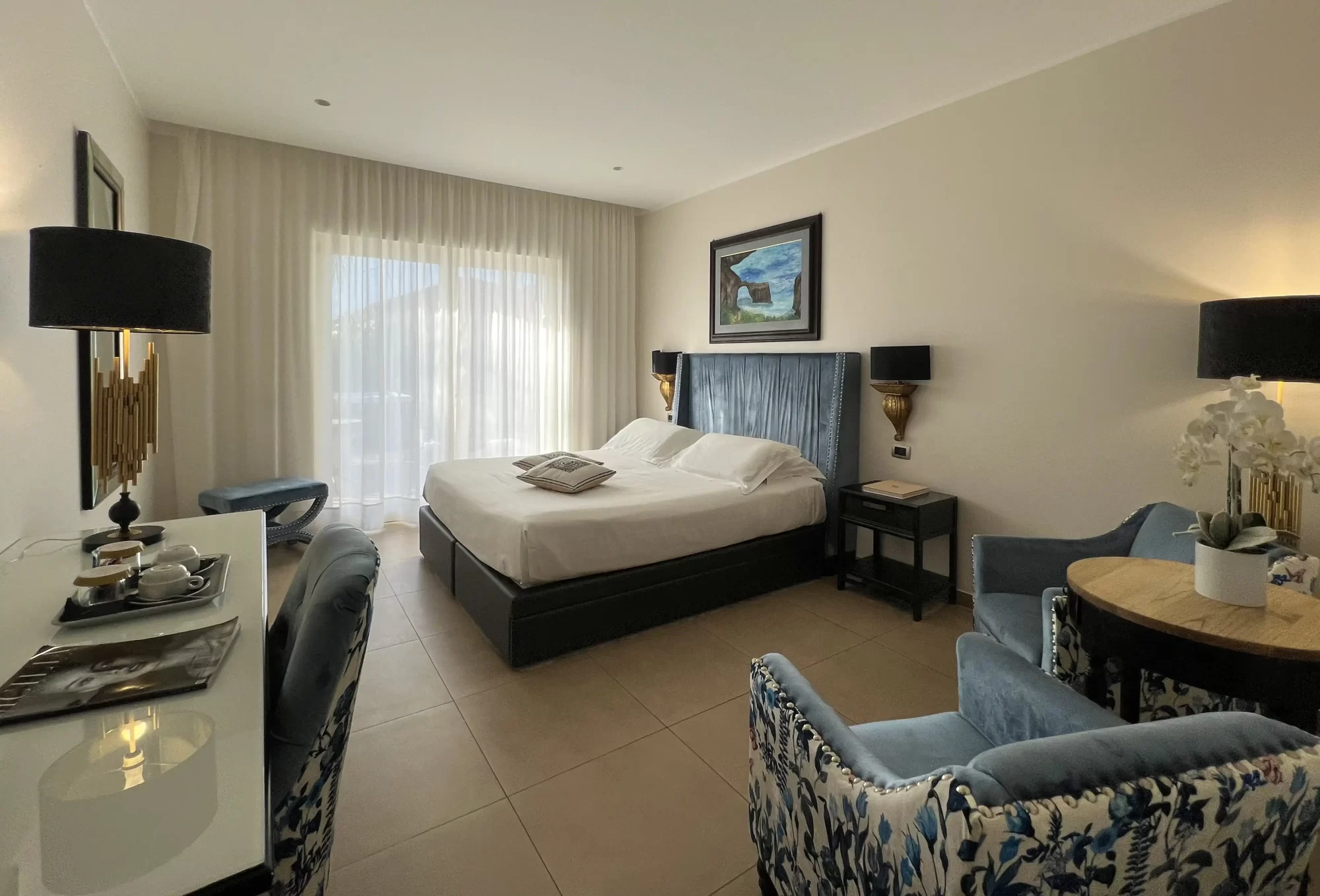
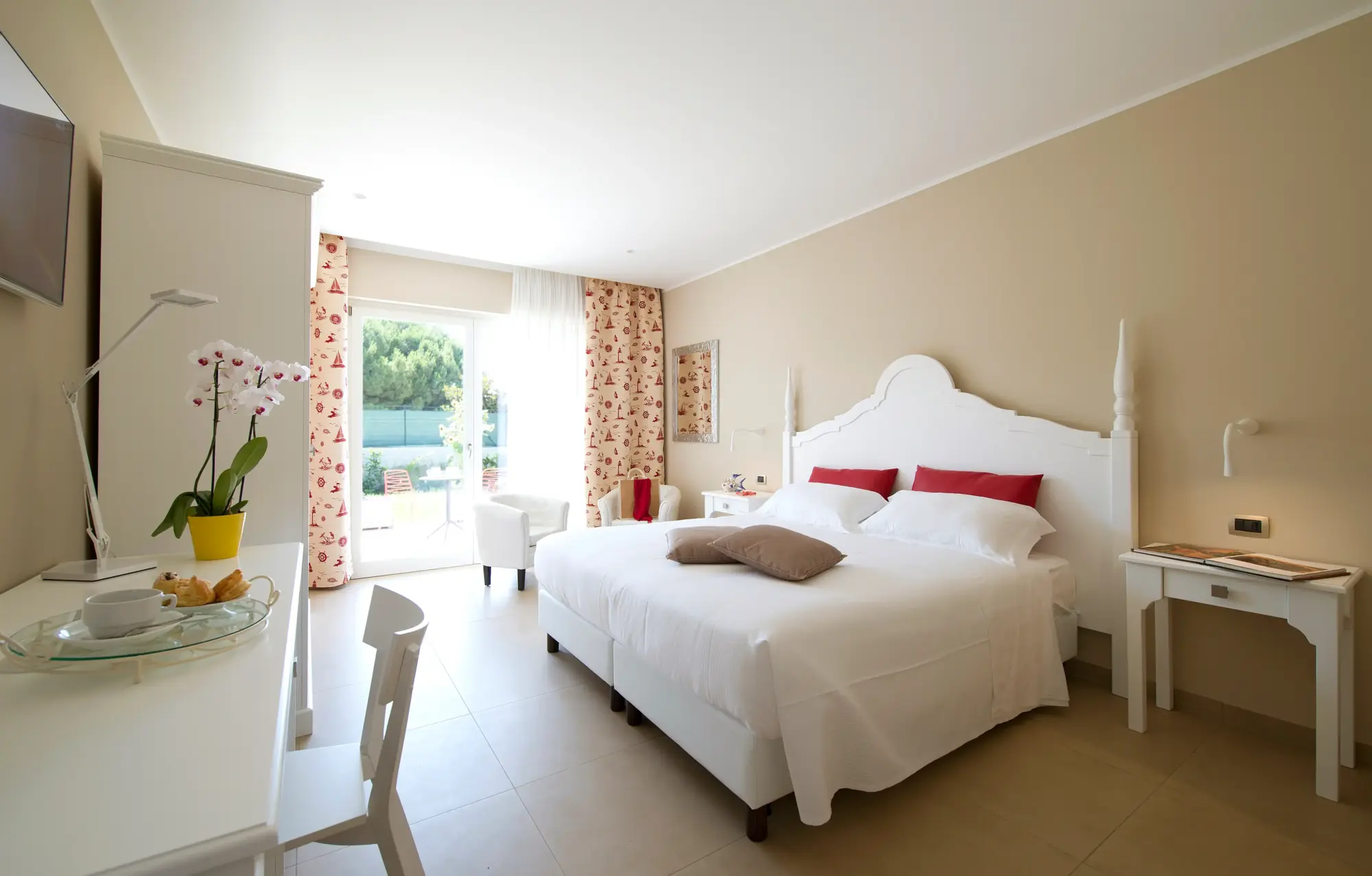
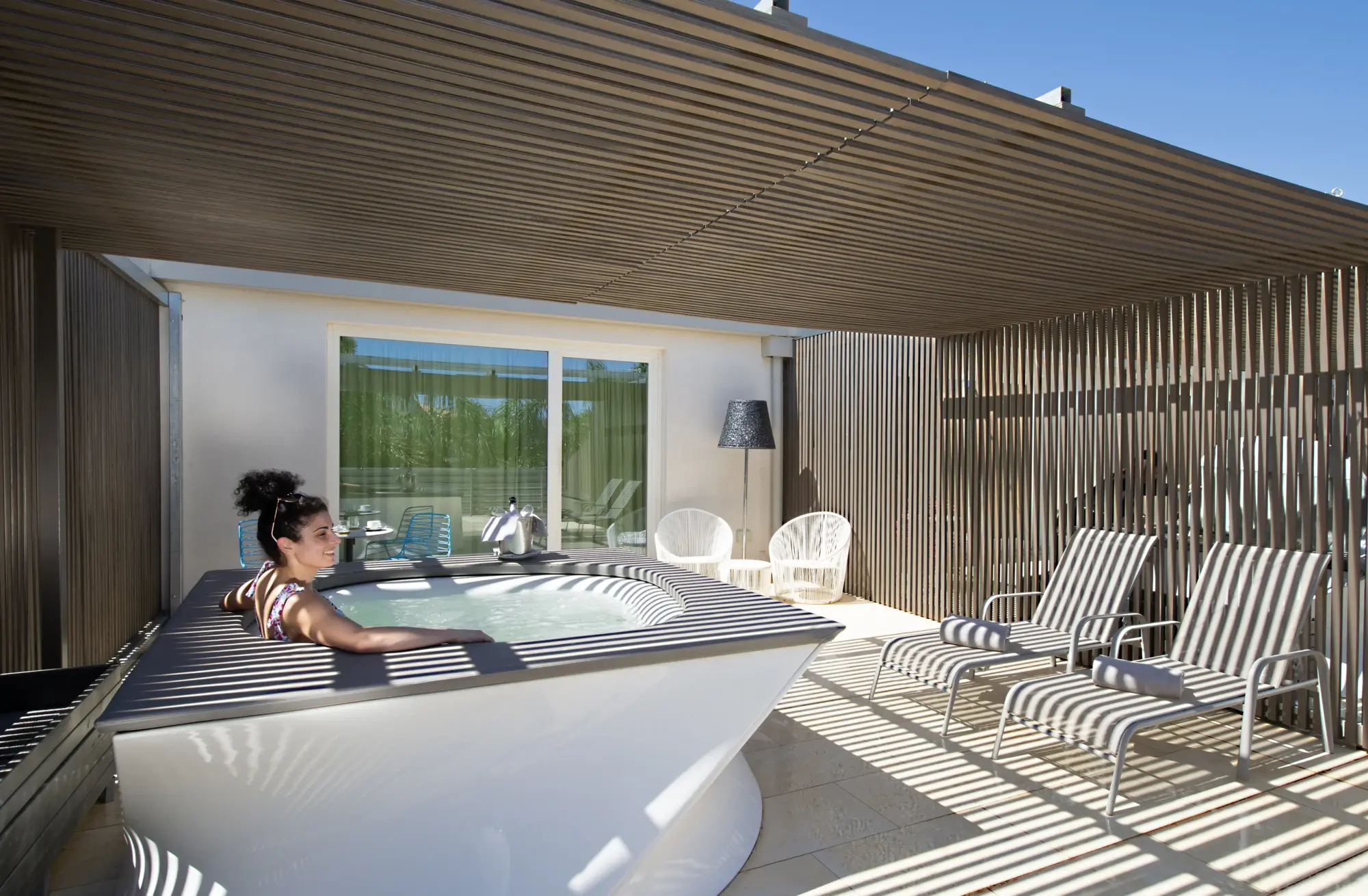
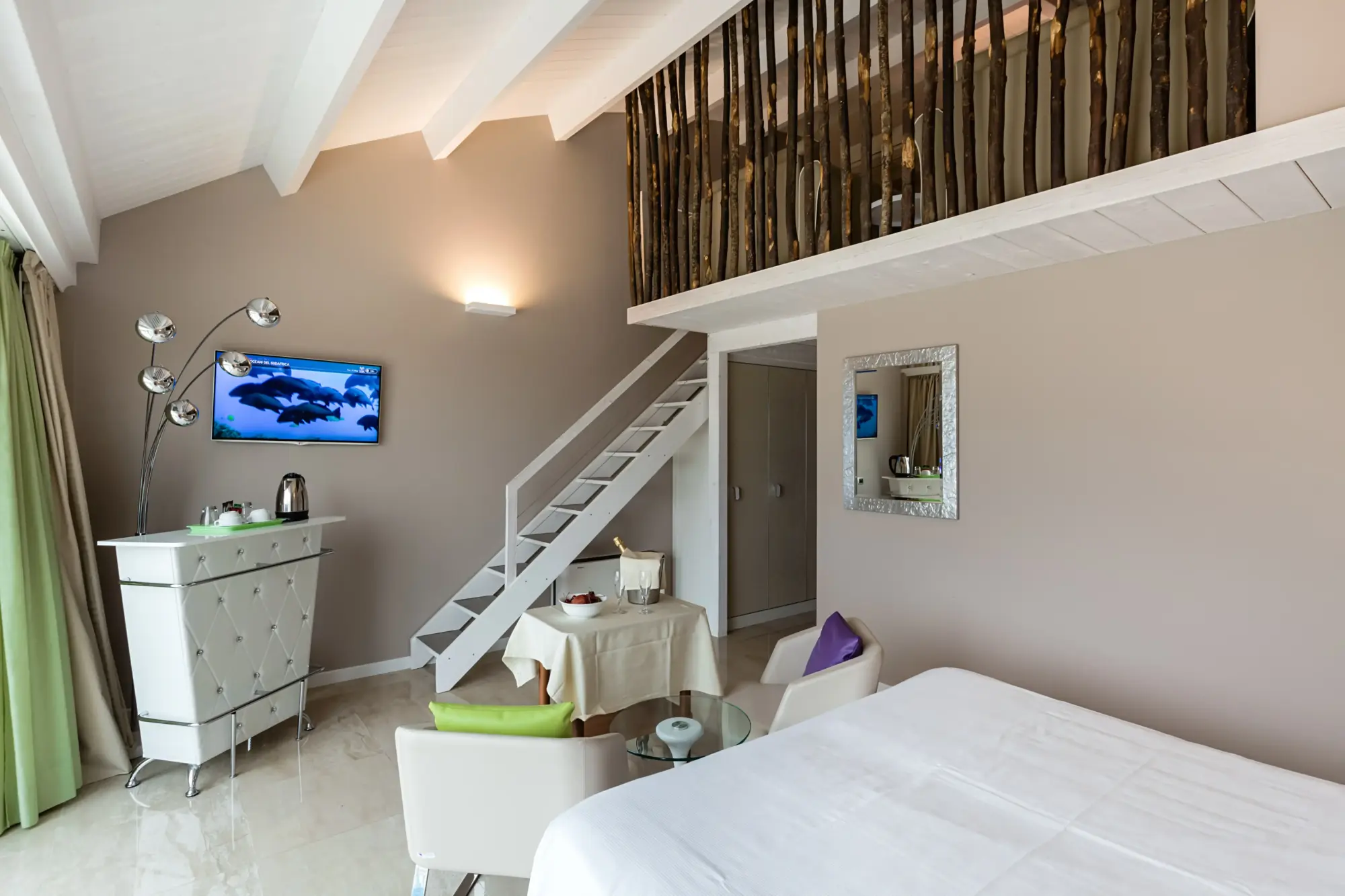
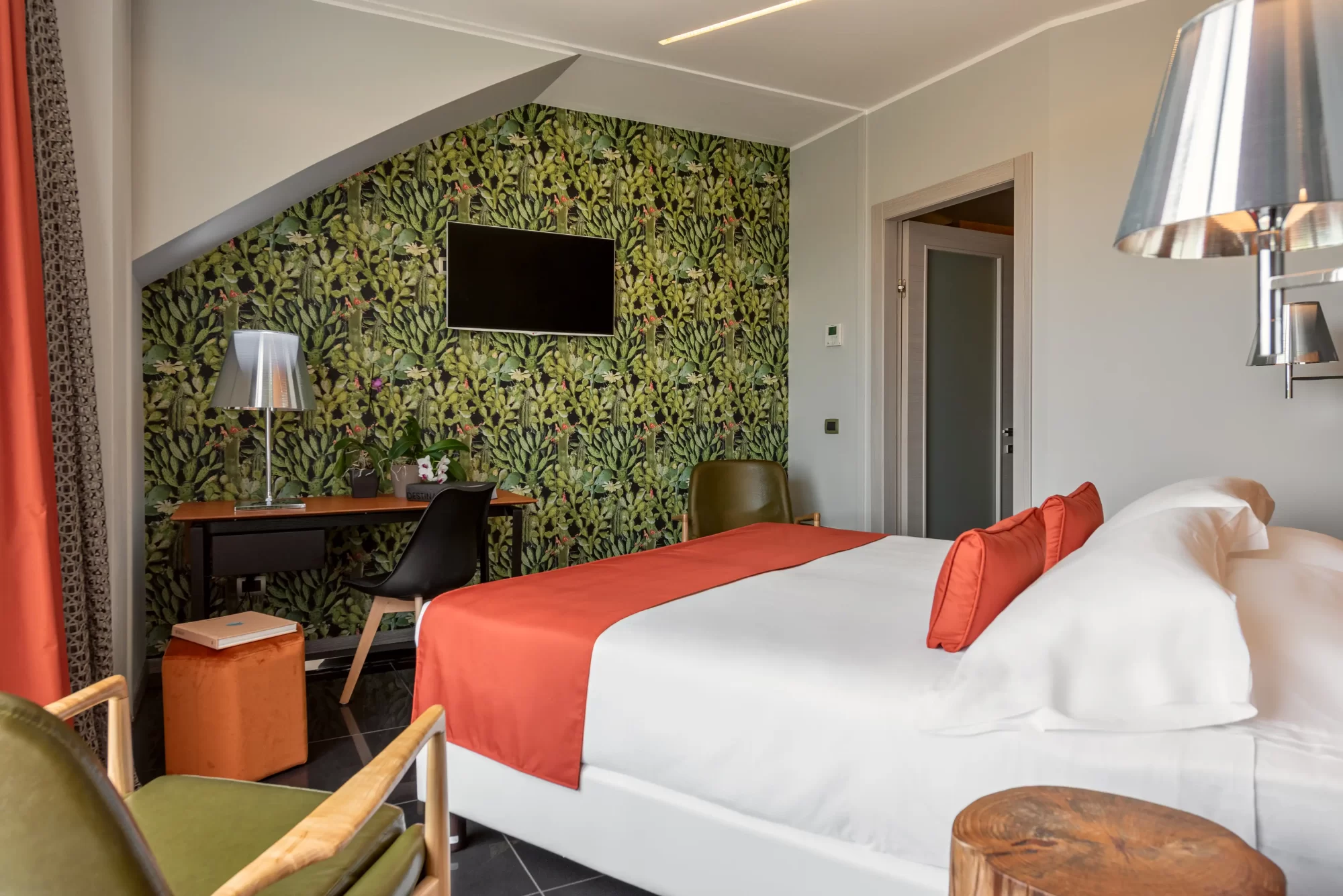
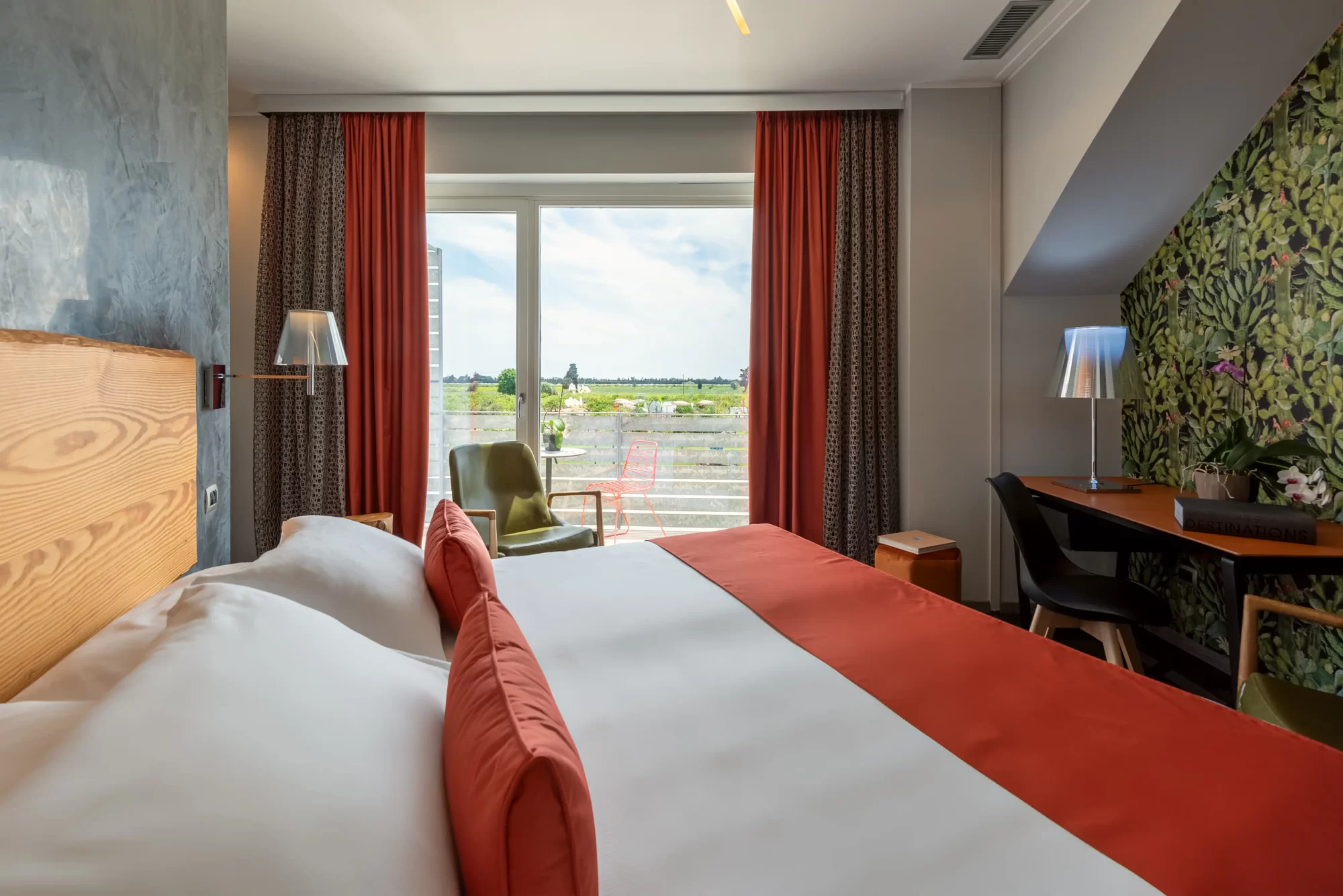
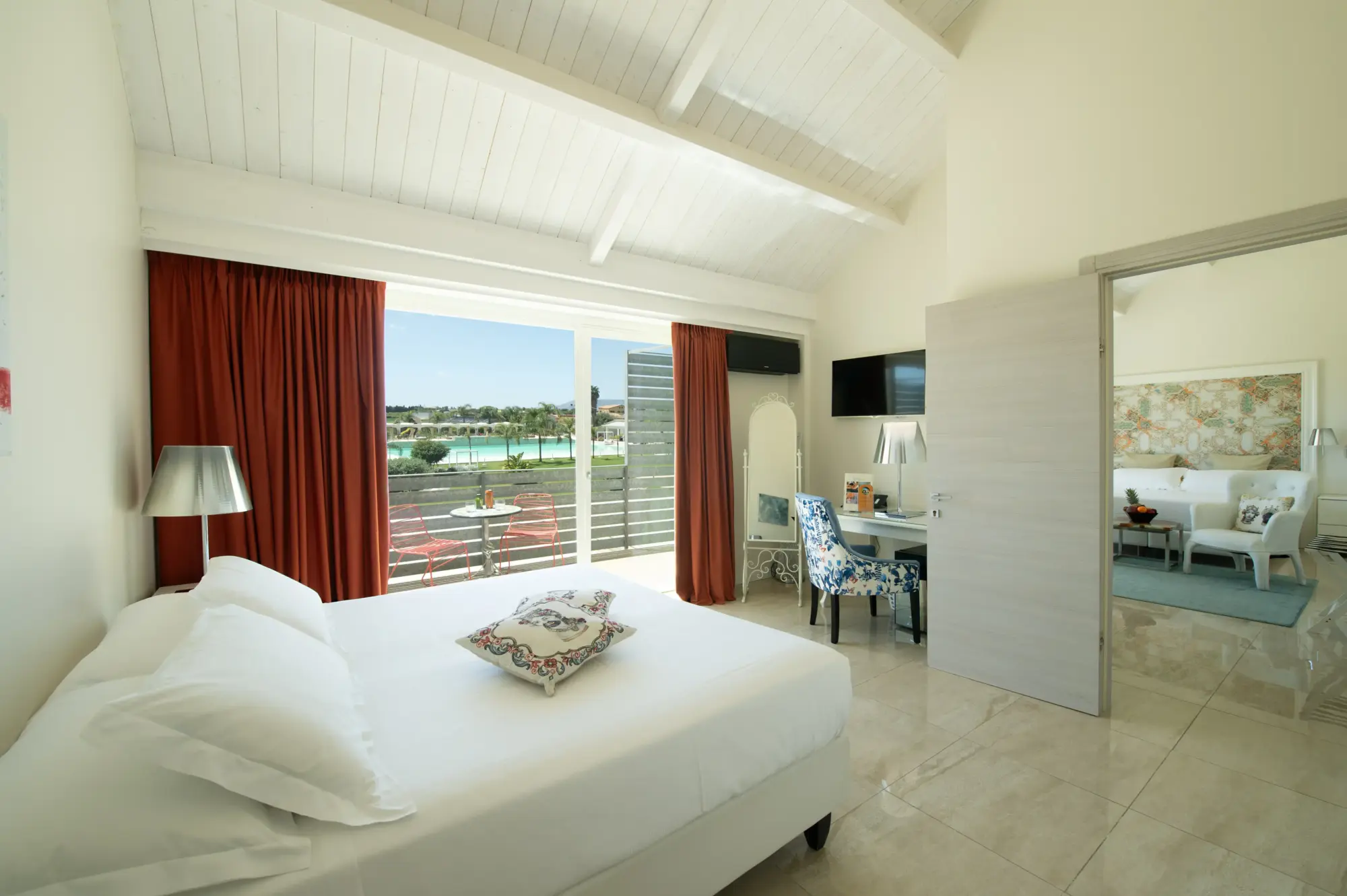
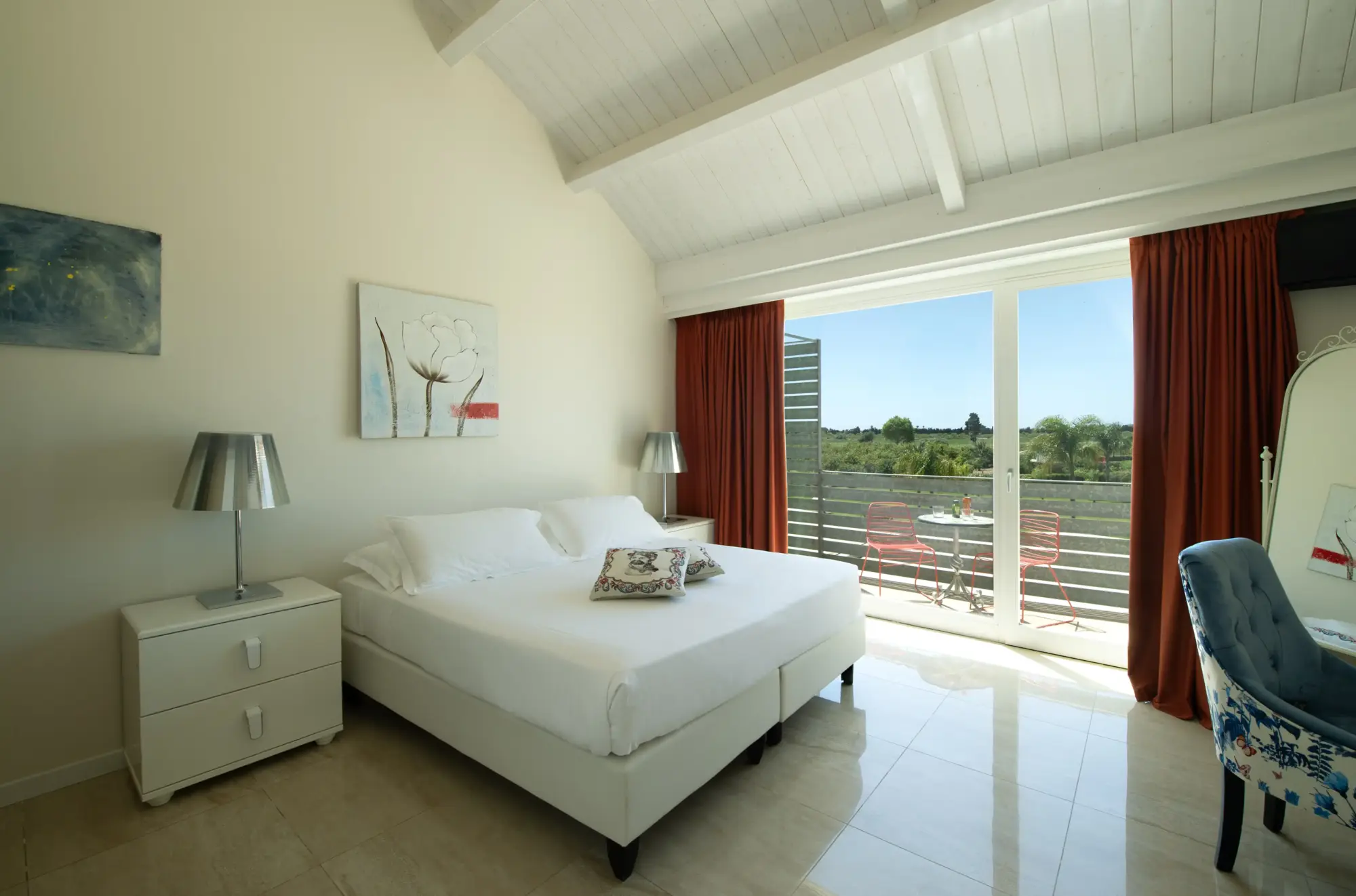
At Principe di Fitalia Wellness & Spa, the philosophy extends beyond treatments. The intimate scale, just 37 accommodations nestled in Mediterranean greenery, means you’re not competing for pool space or restaurant tables. The personalised service anticipates your needs without intrusion.
Spa Retreats for Stress Relief: What to Expect
Walking into a wellness retreat for the first time can feel disorienting if you don’t know the rhythm. Your days won’t look like a typical holiday.
Expect a structured yet flexible schedule. Mornings often begin with optional movement practices, yoga, Pilates, or guided walks, before breakfast. Mid-morning typically holds your first treatment: a massage, facial, or specialist therapy targeting your specific stress points.
The treatments themselves are clinical in their precision. Unlike a spa day where you’re pampered, a stress relief retreat uses evidence-based modalities. Massage therapists work on tension patterns specific to stress (tight shoulders, clenched jaw, shallow breathing).
Meals become part of the therapy. Rather than heavy or triggering foods, retreat cuisine focuses on anti-inflammatory ingredients, proper hydration, and mindful eating practices.
Wellness Retreat Treatments That Deliver Real Results
Signature Treatments for Tension Release
Professional massage therapy remains the cornerstone of stress relief because it directly addresses how stress lives in your body.
Beyond traditional massage, many retreats now offer specialised techniques. Hot stone therapy combines massage with heat to penetrate deeper muscle layers. Lymphatic drainage massage supports your body’s natural detoxification, which stress impairs.
Thermal rituals, particularly Aufguss treatments, a Central European sauna practice involving water, heat, and essential oils, trigger profound relaxation responses. The ritual itself signals safety to your nervous system: controlled heat, rhythmic movement, aromatherapy.
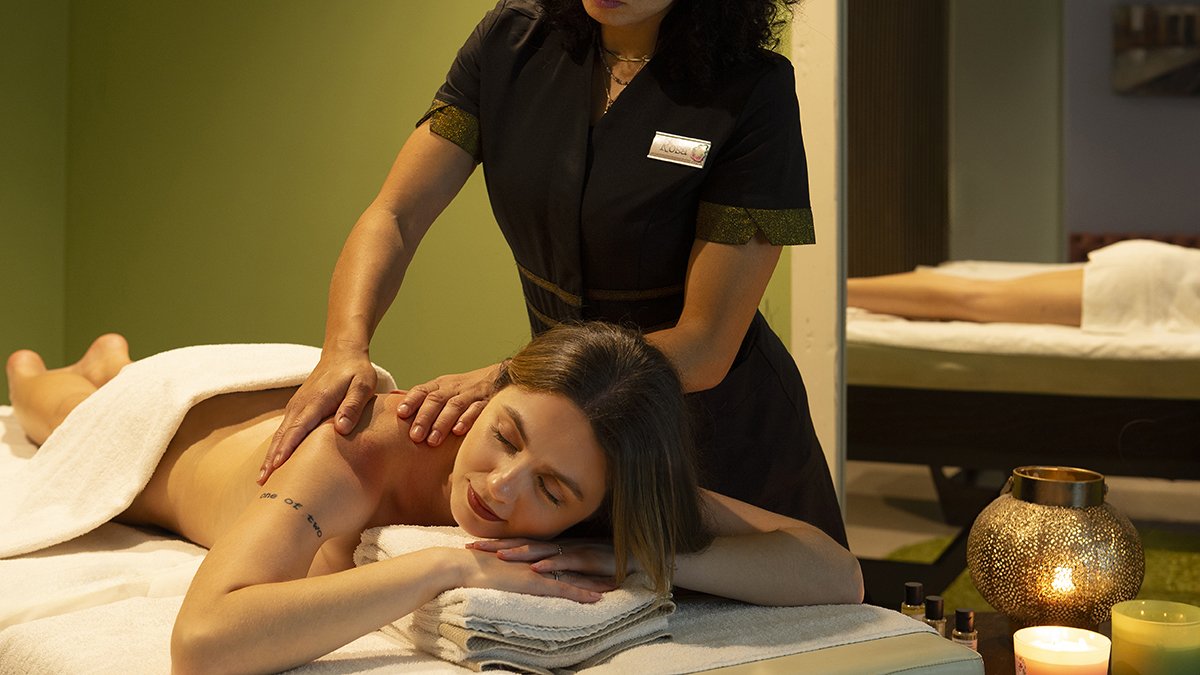
Guest receiving therapeutic massage in serene spa room with soft ambient lighting, natural stone features, and calming essential oil diffuser creating peaceful wellness atmosphere
Holistic Wellness Pathways
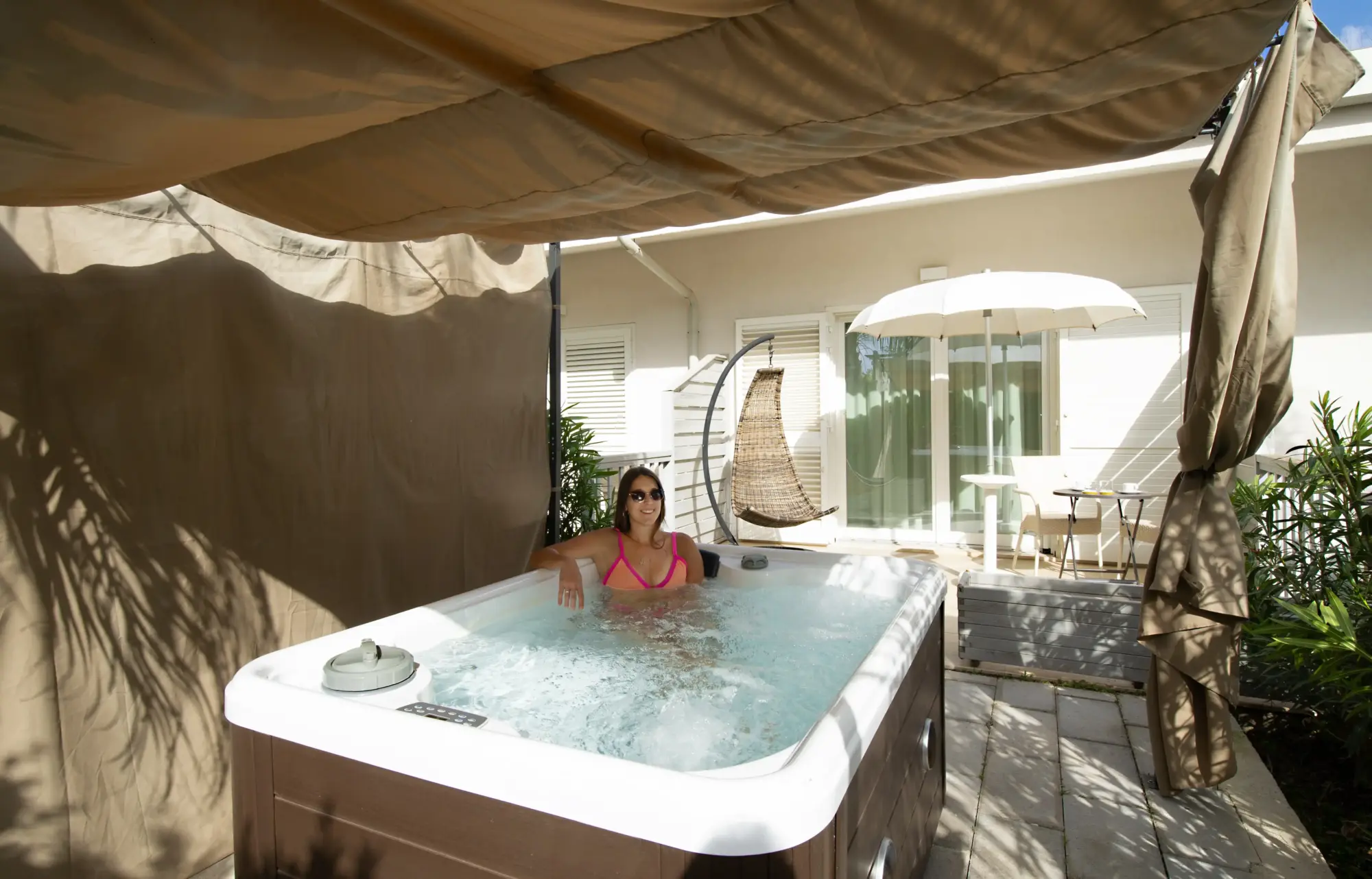
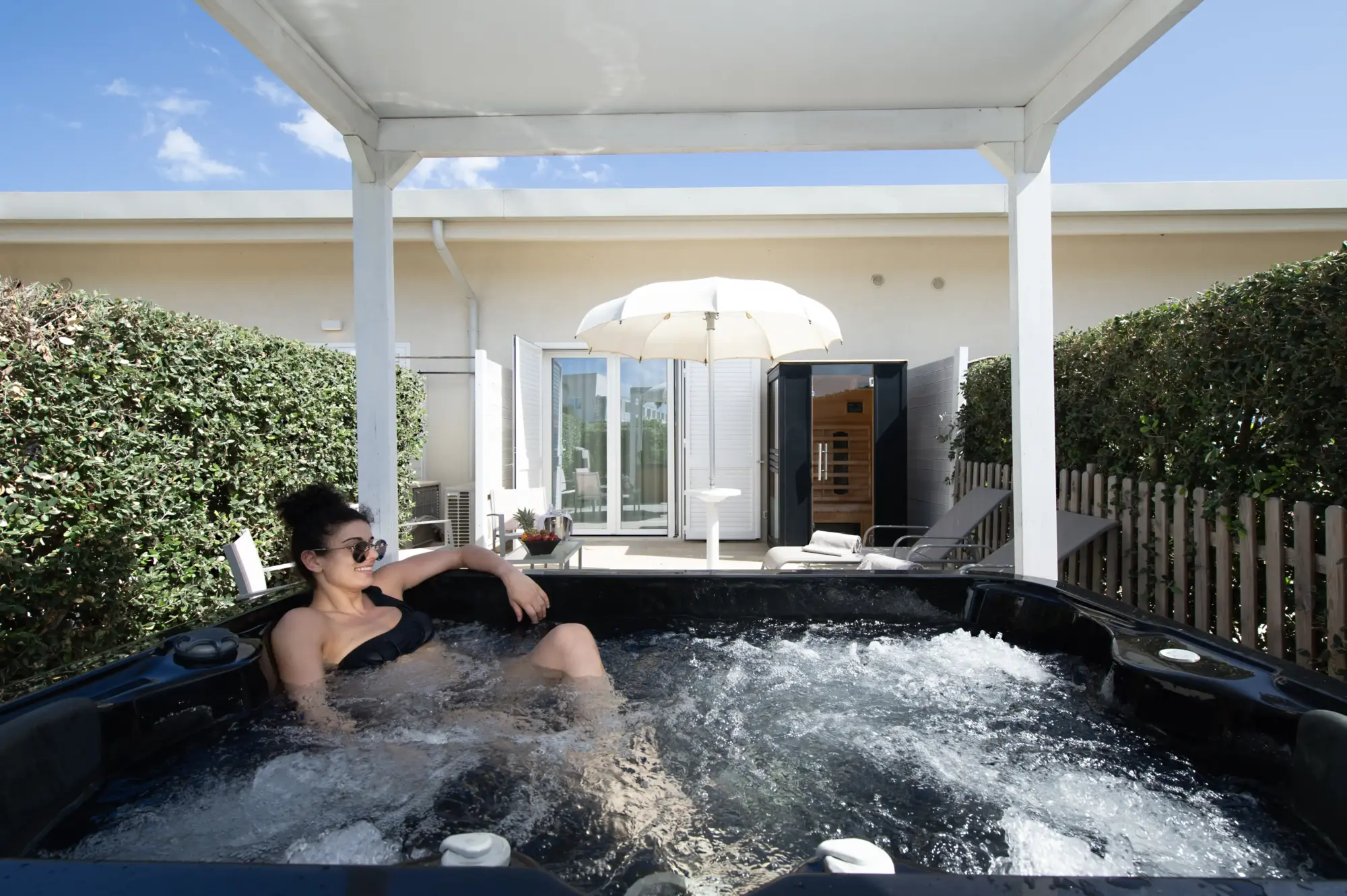
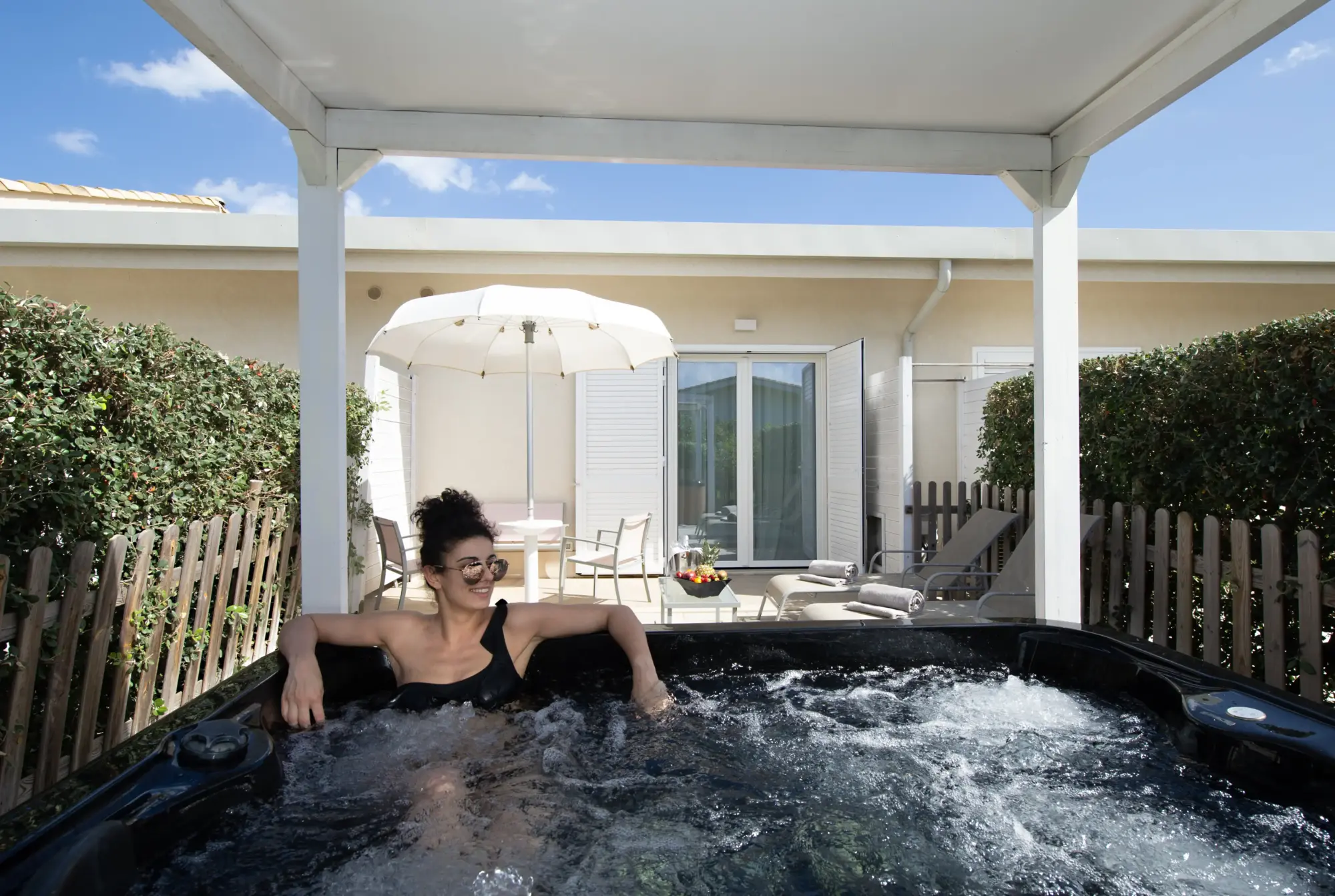
Modern retreats recognise that stress relief isn’t one-dimensional. A comprehensive pathway combines physical treatment with mental practice and nutritional support. Many retreats feature heated outdoor pools that enhance this experience, allowing you to enjoy thermal benefits in a natural setting.
Guided meditation and breathwork sessions teach you practical tools to carry home. Unlike a one-off meditation class, retreat-based practice builds consistency. Daily practice over several days creates neural pathways; you’re literally rewiring your stress response. When you return home and face triggers, these new pathways activate more readily.
Nutritional counselling addresses how diet amplifies or reduces stress. Refined carbohydrates and caffeine spike cortisol. Omega-3 fatty acids, magnesium-rich foods, and complex carbohydrates support nervous system stability. A retreat’s meals demonstrate these principles in practice; you experience how different foods affect your energy, mood, and sleep quality.
How Long to Stay at a Wellness Retreat for Maximum Benefit
The minimum effective duration for stress relief spa retreats is three nights.
Five to seven nights is the sweet spot for most people. This duration allows multiple treatments to build on each other, gives you time to rest without guilt, and lets new practices (meditation, breathing techniques, sleep rhythms) establish themselves.
Two weeks or longer is ideal if you’re recovering from burnout or chronic stress, but it’s not necessary for maintenance and prevention. A week-long retreat annually, supplemented with shorter breaks, provides sustainable stress management for most professionals.
The timing of your retreat matters as much as the duration. Booking when you’re already burnt out means you’ll spend the first half recovering rather than optimising.
Spa Retreat Packing List: What to Bring
Packing for a wellness retreat differs from typical travel. You’re not dressing for activities or social events. Comfort, layering, and minimalism matter most.
Clothing essentials: lightweight, loose-fitting pieces in natural fabrics. Cotton and linen breathe; synthetic materials trap heat and can amplify the discomfort of slowing down.
Footwear: comfortable walking shoes for any excursions, slip-on shoes for moving between treatment rooms, and soft indoor shoes or socks.
Toiletries: most retreats provide quality products, but bring your own if you have sensitive skin or specific preferences.
Practical items: a journal for reflections, comfortable reading material, and a book on meditation or wellness if you’re new to these practices.
What not to pack: alcohol (most retreats either prohibit it or encourage minimal consumption), heavy perfumes (they interfere with aromatherapy), and your normal work wardrobe.
Book Your Stay at Principe di Fitalia Wellness & Spa →
Choosing the Right Retreat for Your Needs
For Couples Seeking Privacy
Privacy and intimacy are non-negotiable for couples retreats. You’re not seeking a social experience; you’re seeking restoration together. Look for properties with limited accommodation, under 50 rooms is ideal. Larger resorts, even luxury ones, create ambient noise and crowds that undermine intimacy.
Dedicated couple treatments matter. Spa rituals designed for two, partner massage, couple’s hydrotherapy, or shared wellness experiences, deepen connection whilst supporting stress relief. Some retreats offer private treatment suites; others integrate couple time into group classes. Both work, but private space allows you to be vulnerable without self-consciousness.
Meal timing and flexibility matter too. The best couple-focused retreats respect that some pairs want social connection and others want solitude. Principe di Fitalia Wellness & Spa, with just 37 accommodations and personalised service, caters specifically to couples seeking this balance, intimate enough for genuine privacy, yet staffed to anticipate your needs without intrusion.
For Families
Family wellness retreats require a different structure. Children need age-appropriate activities, parents need actual rest, and everyone needs to feel welcome rather than tolerated.
The best family retreats offer supervised children’s programmes during adult treatment times. This isn’t childcare, it’s structured wellness activity: yoga for kids, nature exploration, art therapy, or age-appropriate meditation. Parents can then receive treatments without guilt or distraction.
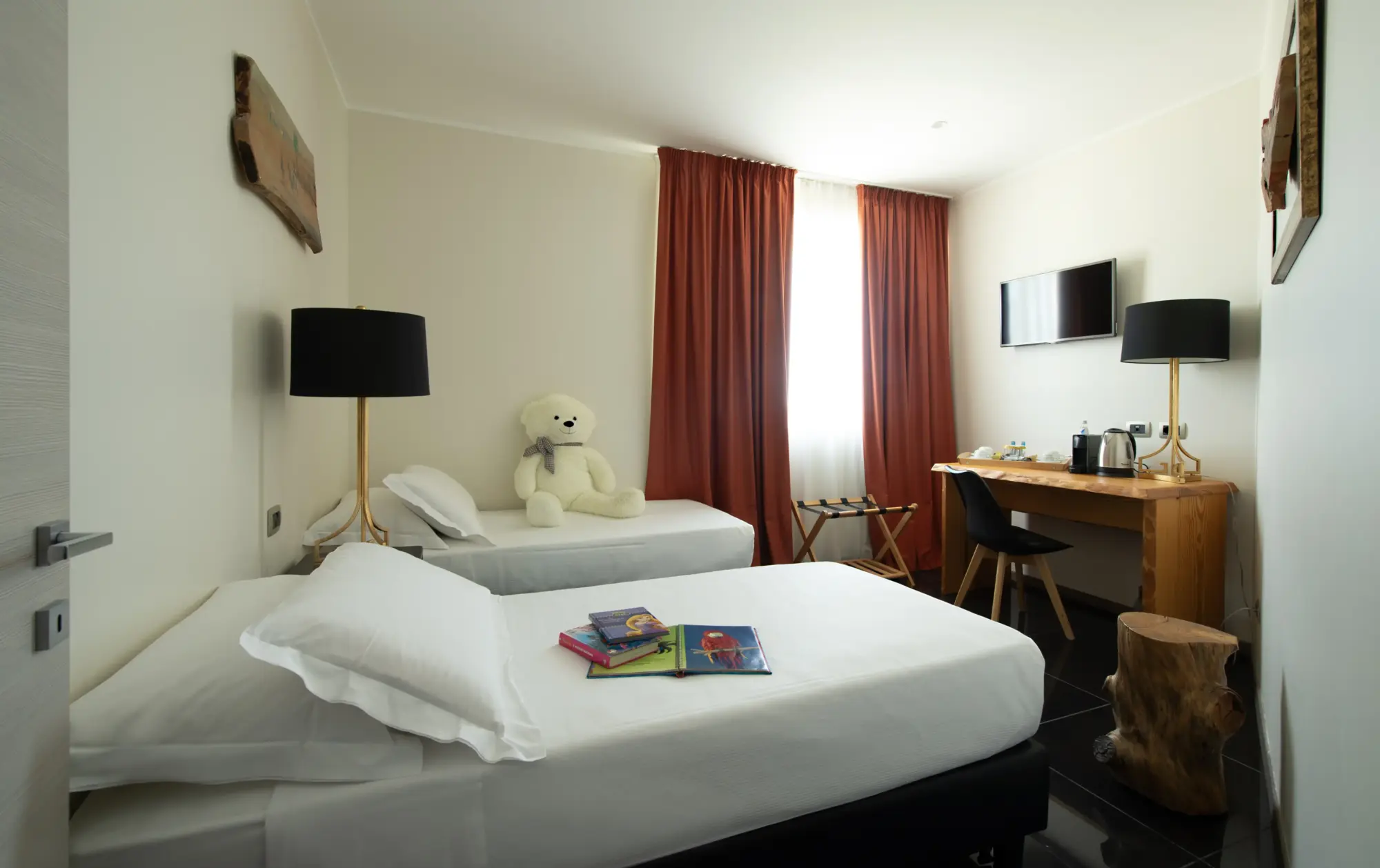
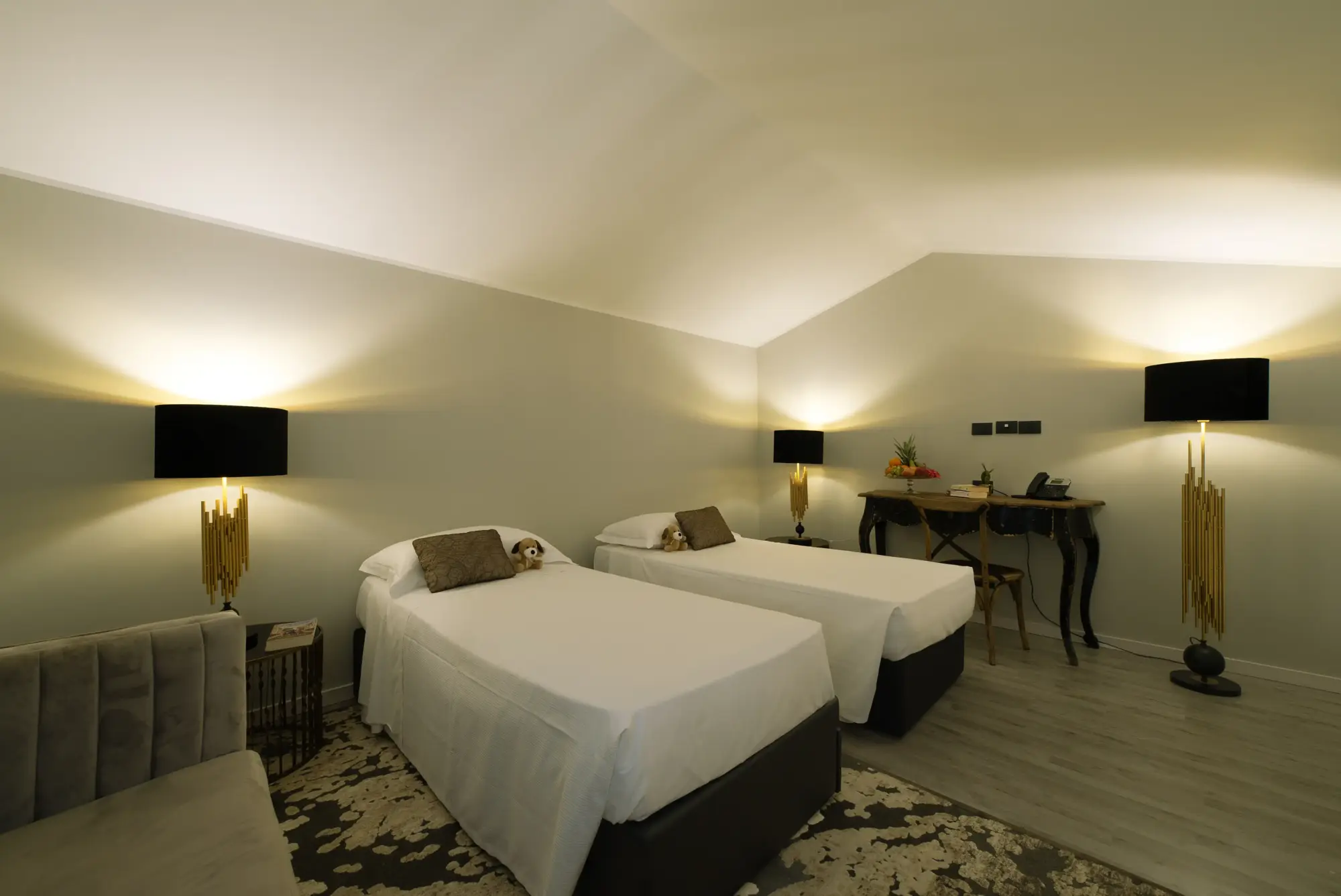
Accommodation matters significantly. Suites with separate sleeping areas let children rest whilst parents enjoy evening wellness time. Pools with shallow sections and water temperature options accommodate different ages.
Meal flexibility is crucial. Children often have different preferences and eating schedules than adults. Retreats offering varied meal times, dietary accommodations, and child-friendly options without judgment reduce family stress rather than adding to it.
For Solo Travellers and Professional Stress
Solo travellers often seek retreats for professional stress relief, the accumulated tension of leadership, decision-making, and responsibility. The best retreats for this demographic balance solitude with optional community.
Group classes and communal meals create connection opportunities without obligation. Some solo guests want to meet others; others want anonymity. Flexible scheduling lets you choose daily. Treatment customisation matters: a retreat that listens to your specific stress patterns (shoulder tension from desk work, sleep disruption from anxiety, digestive issues from irregular eating) delivers better results than a one-size-fits-all approach.
Quiet spaces are essential. You need areas to rest, reflect, or work through thoughts without ambient activity. Private treatment suites, quiet gardens, and minimal entertainment programming support genuine restoration rather than distraction.
Making the Benefits Last After Your Retreat
The retreat itself is the beginning, not the completion. Most guests report that benefits fade within two to three weeks without intentional maintenance.
Establish one non-negotiable daily practice before you leave. This might be 10 minutes of meditation, a specific breathing technique, or a short yoga sequence. Consistency matters more than duration.
Create environmental cues in your home. If your retreat used specific essential oils, bring those home. If you practised yoga in a particular space, designate a corner at home for practice.
Schedule your next retreat before you leave the current one. This prevents the slow drift back into old patterns. Even an annual week-long retreat, supplemented with shorter breaks, maintains the benefits.
Track what shifts. Sleep quality often improves first, followed by mood stability and physical tension reduction.
Stress relief spa retreats offer more than temporary escape. The key is choosing a retreat aligned with your specific needs: privacy for couples, family-friendly structure for parents, or professional stress focus for solo travellers. Principe di Fitalia Wellness & Spa delivers this through intimate scale, personalised service, and comprehensive wellness programming that addresses stress at physical, mental, and emotional levels.
Frequently Asked Questions
Can a spa retreat really help with stress?
Yes. Stress relief spa retreats work through multiple channels: therapeutic treatments reduce physical tension, peaceful environments lower cortisol levels, and structured wellness activities give your nervous system permission to rest. The combination of massage, hydrotherapy, guided relaxation and time away from daily pressures creates measurable shifts in how you feel. Most guests report sustained calm for weeks after returning home, especially when they continue the practices learned during their stay.
What are the best wellness retreat treatments for work-related stress?
Treatments targeting work stress focus on releasing neck, shoulder and lower-back tension, where professional stress accumulates. Deep-tissue massage, hot stone therapy, and targeted muscle relaxation are highly effective. Many retreats also offer stress-specific treatments like aromatherapy, hydrotherapy circuits and guided breathwork sessions designed to reset your nervous system. Ask your retreat about treatments tailored to your particular stress patterns before you arrive.
How long should I stay at a wellness retreat?
Three to five days is the minimum effective duration to notice genuine change. Your first day involves settling in and releasing surface tension; days two and three deepen the physical and mental reset; day four allows integration and reflection. Longer stays, particularly seven to ten days, create more profound shifts and give you time to establish new wellness habits you can maintain at home. Even busy professionals can benefit from a long weekend retreat if that’s all your schedule allows.
What should I pack for a spa retreat?
Bring comfortable, loose clothing for before and after treatments, swimwear, slip-on shoes, a light robe or cardigan, and any personal toiletries you prefer (though most retreats provide quality products). Pack a journal, reading material, and any medications or supplements you need. Leave behind work devices if possible, or at least set them to silent. Bring sunscreen, a hat, and sunglasses if you’ll be outdoors. Check your retreat’s specific guidance, as some provide robes, slippers and spa attire.
Are spa retreats suitable for couples seeking privacy?
Absolutely. Boutique wellness retreats, particularly those with limited guest numbers, are ideal for couples wanting intimacy and seclusion. Look for properties with private suites, couples’ treatments, and quiet zones. Smaller retreats naturally offer more peace than large resorts; you’ll encounter fewer guests and have more access to personalised service. Many couples retreats also offer shared experiences like private dining or guided excursions, so you can connect together while still enjoying the wellness benefits.
What’s the difference between a spa retreat and a regular holiday?
A spa retreat prioritises your wellbeing through structured wellness programmes, professional treatments and supportive environments. Rather than sightseeing or activity-focused holidays, retreats emphasise rest, reflection and restoration. The daily rhythm includes scheduled treatments, fitness or movement sessions, quiet time, and healthy meals designed to support your recovery. This intentional structure, combined with expert guidance, produces deeper stress relief than a conventional break where you’re managing your own schedule.
How can I maintain the benefits of my spa retreat at home?
Establish a daily practice: simple stretching, breathing exercises or meditation learned during your stay. Schedule regular self-care rituals like baths, massage or quiet time. Maintain the sleep and eating habits you developed. Many guests book follow-up treatments with therapists at home or join online wellness communities from their retreat. The key is consistency: even 10 minutes daily of the practices you learned will preserve much of the calm and clarity you gained during your retreat.