Table of Contents
- What Personalised Hotel Service Actually Means in Practice
- The Benefits of Boutique Hotel Stays: Why Size Changes Everything
- What to Expect from 5-Star Personalised Service
- How Boutique Hotels Tailor Guest Stays
- The Hidden Costs of Generic Luxury: What Mass-Market Hotels Miss
- How to Judge Whether Personalised Service Is Worth It for You
- Conclusion
- Frequently Asked Questions
Last Updated: September 15, 2026
What Personalised Hotel Service Actually Means in Practice
Personalised hotel service is the practice of adapting a stay to an individual guest’s preferences, routines and requirements rather than delivering the same standard experience to everyone. It shows up in small, specific ways: the room set up before you arrive, the table held at the hour you actually eat, the therapist who knows you want silence rather than conversation.
Concierge using a tablet to record guest preferences, embodying personalised hotel service in a boutique lobby.
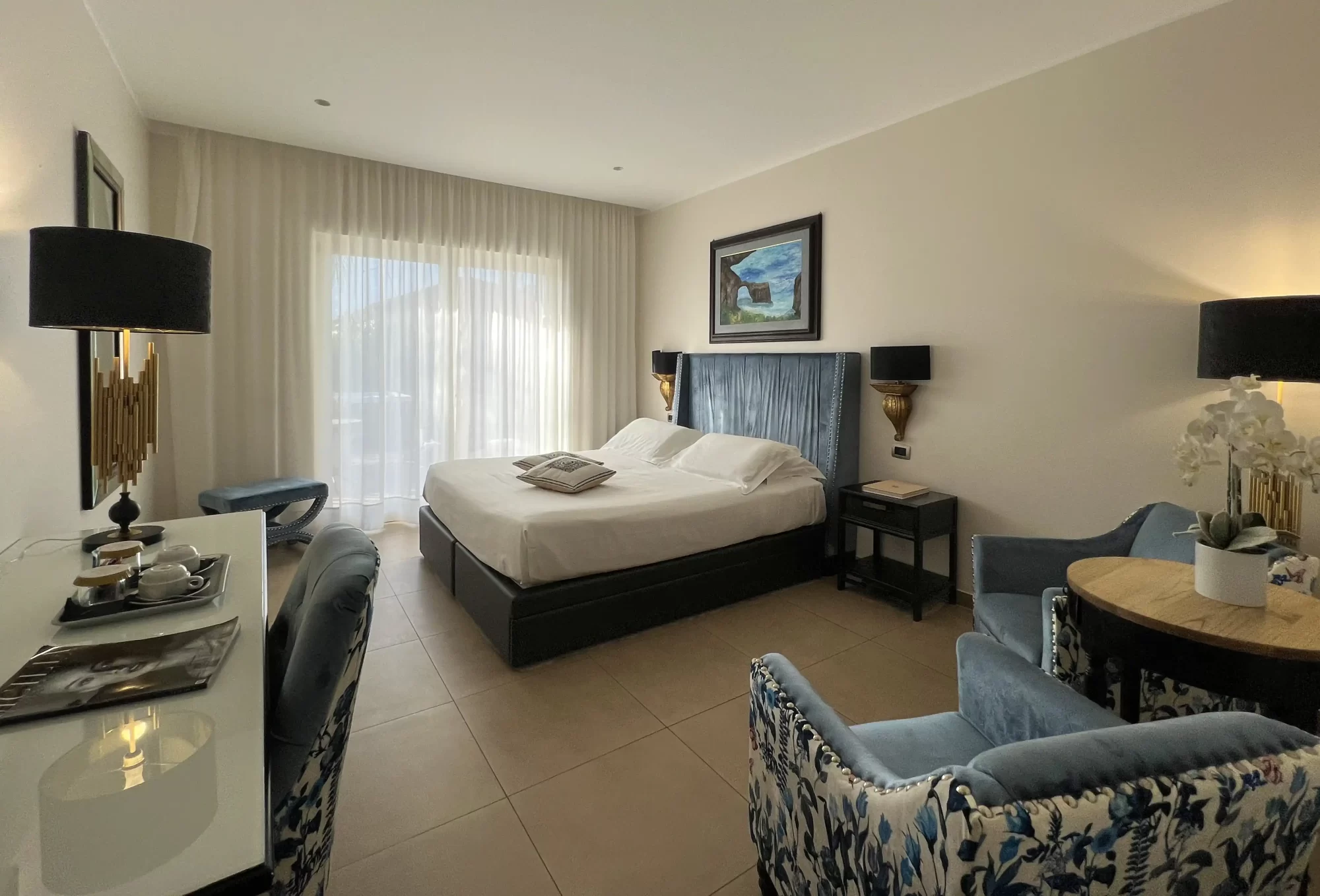
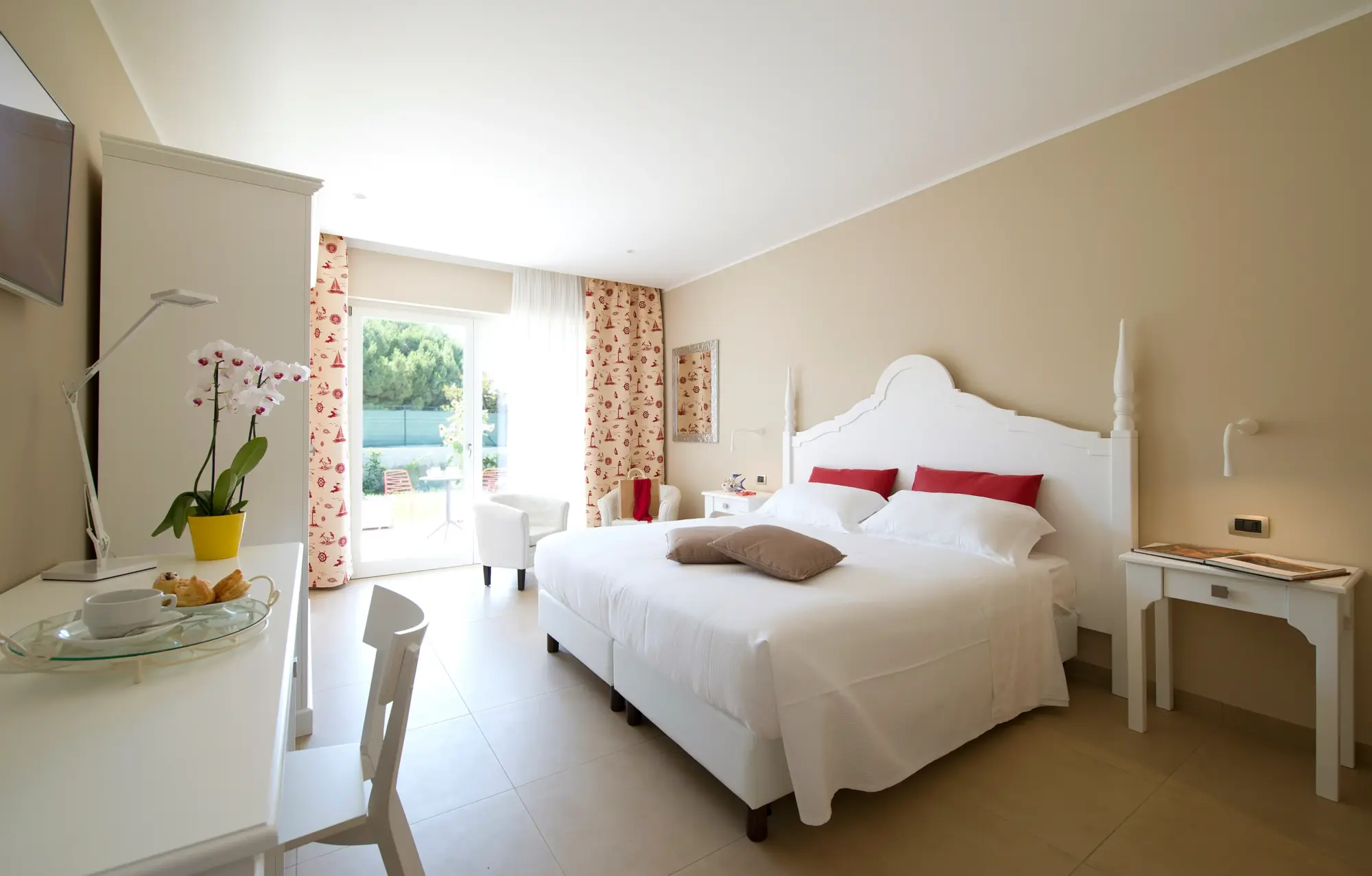
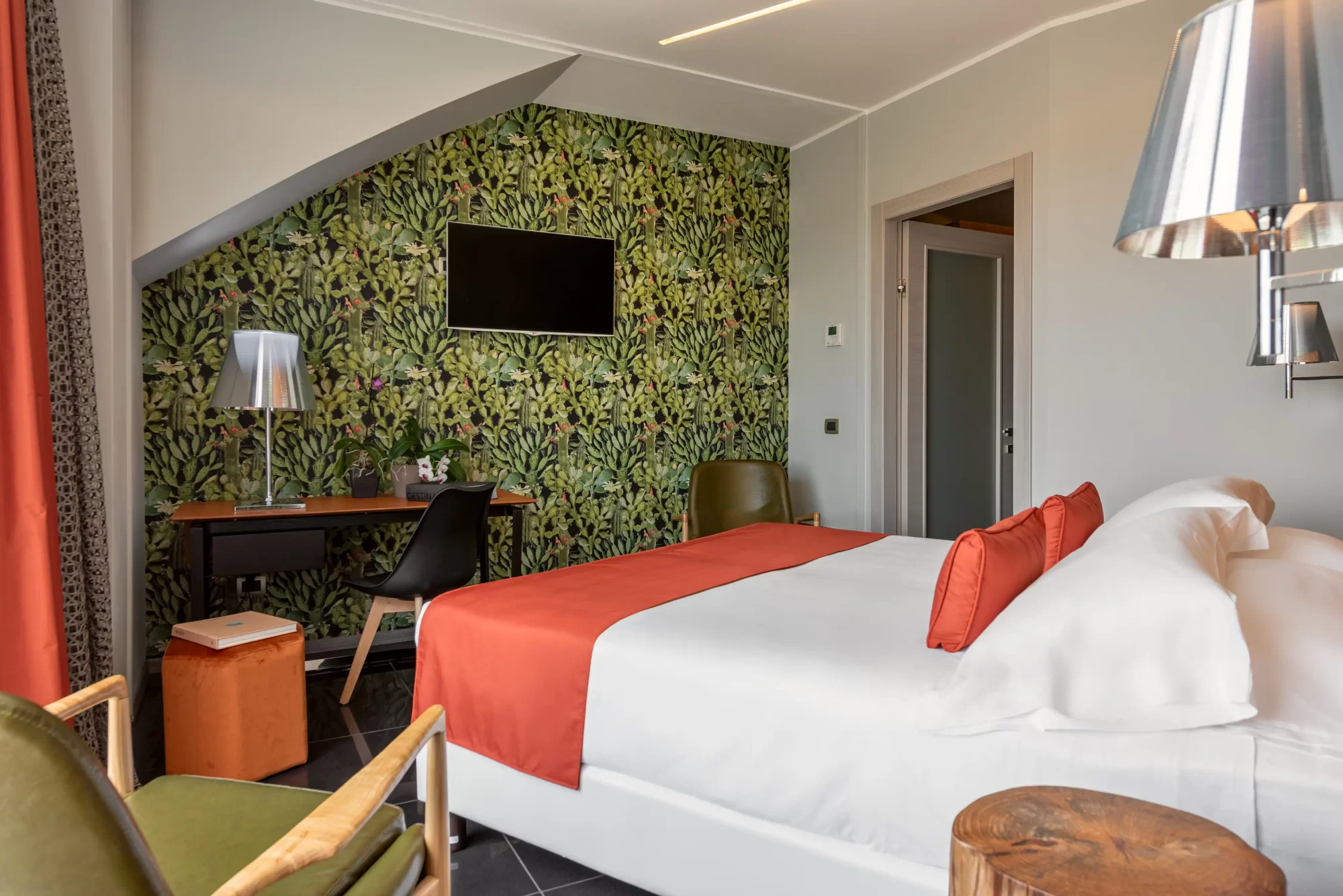
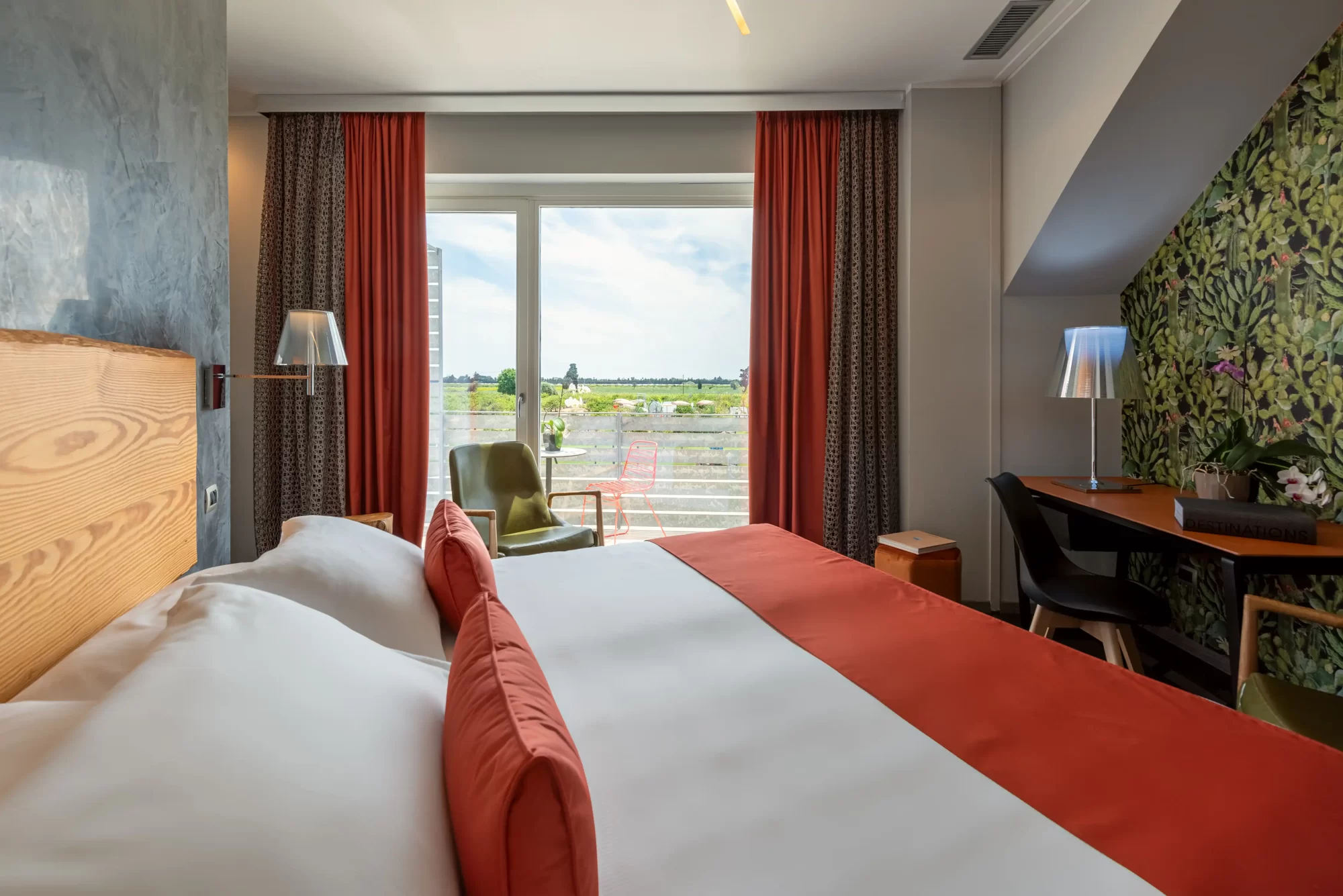
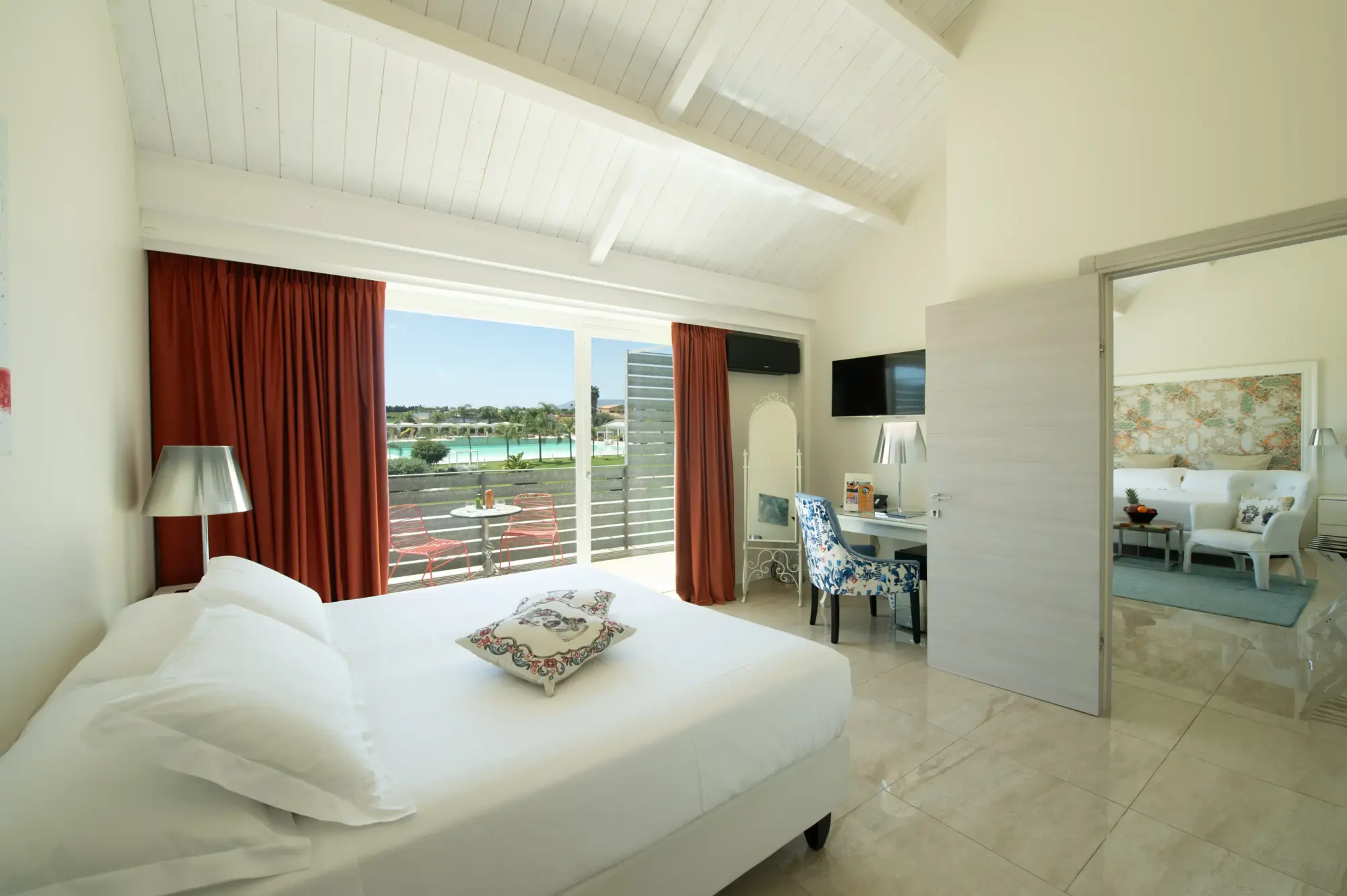
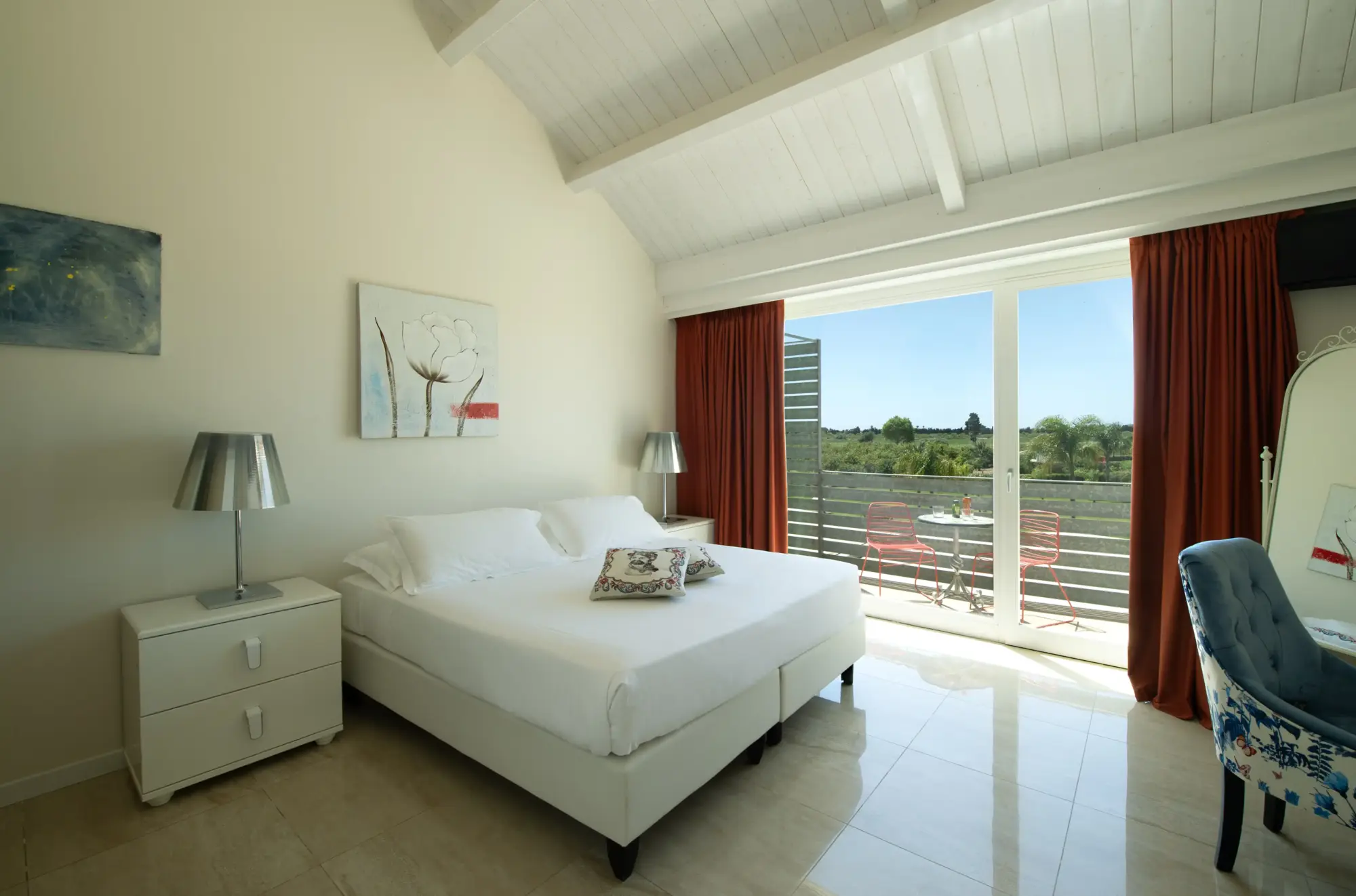
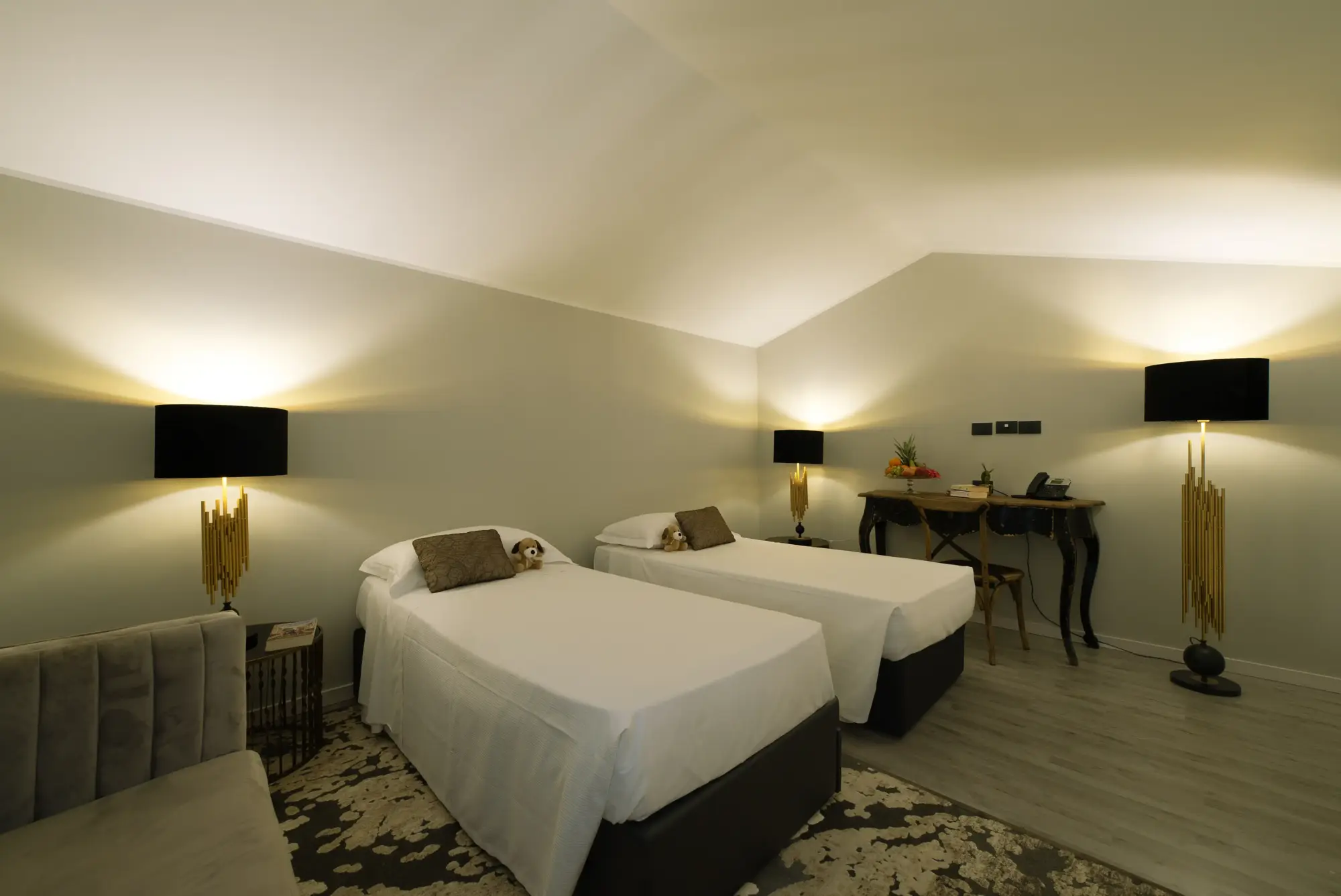
At Principe di Fitalia Wellness & Spa, an intimate five-star retreat in Syracuse, this philosophy is built into the structure of the property rather than added as an upgrade. With 37 accommodations, the team can hold a genuine picture of each guest instead of a room number.
The question of whether personalised hotel service is worth it rarely comes down to whether you enjoy being looked after. It comes down to whether the property has the operational capacity to deliver it. That distinction separates a real service culture from a marketing line, and it is the thread running through everything below.
The Benefits of Boutique Hotel Stays: Why Size Changes Everything
The benefits of boutique hotel stays begin with arithmetic. A property with 37 rooms serves a fraction of the guests a 300-room resort handles on the same night, and that gap is where personalisation becomes possible rather than aspirational (Rating Manual section 5a: valuation of all property classes – Hotels – Guidance).
Large resorts rely on standardisation because it scales. Boutique properties rely on attention because they can. Neither approach is inherently superior; they simply produce different holidays. If your priority is variety of restaurants and entertainment programmed to a schedule, scale wins. If your priority is being known, small wins by a wide margin.
Fewer Guests, More Attention Per Stay
Attention is a finite resource in hospitality. A concierge managing 200 arrivals in an afternoon cannot remember that you take your coffee black, that your partner avoids gluten, or that you booked a treatment specifically to decompress after a difficult quarter (NHS England » Staff recognition framework).
Fewer guests per staff member changes what is operationally realistic. It also changes the texture of the interaction: staff recognise you on the second day, and the questions they ask are informed by the answers you gave on the first.
What to Expect from 5-Star Personalised Service
What to expect from 5-star personalised service is a stay that anticipates rather than reacts. The defining characteristic is that you rarely have to ask twice, and often do not have to ask at all.
That standard rests on two distinct phases, and the first one happens before you have packed.
Before You Arrive: The Preparation Phase
Pre-arrival preparation is where personalisation is either built or lost. A property that takes this seriously will contact you ahead of your stay to understand purpose of travel, dietary requirements, treatment preferences and any mobility considerations (Allergen guidance for food businesses).
Common mistakes at this stage are worth naming. Guests often assume preferences recorded on a previous stay will automatically carry forward, and properties frequently assume a returning guest wants an identical experience. Neither holds. A short, specific note before arrival does more for your stay than any request made at reception.
During Your Stay: Discreet, Anticipatory Care
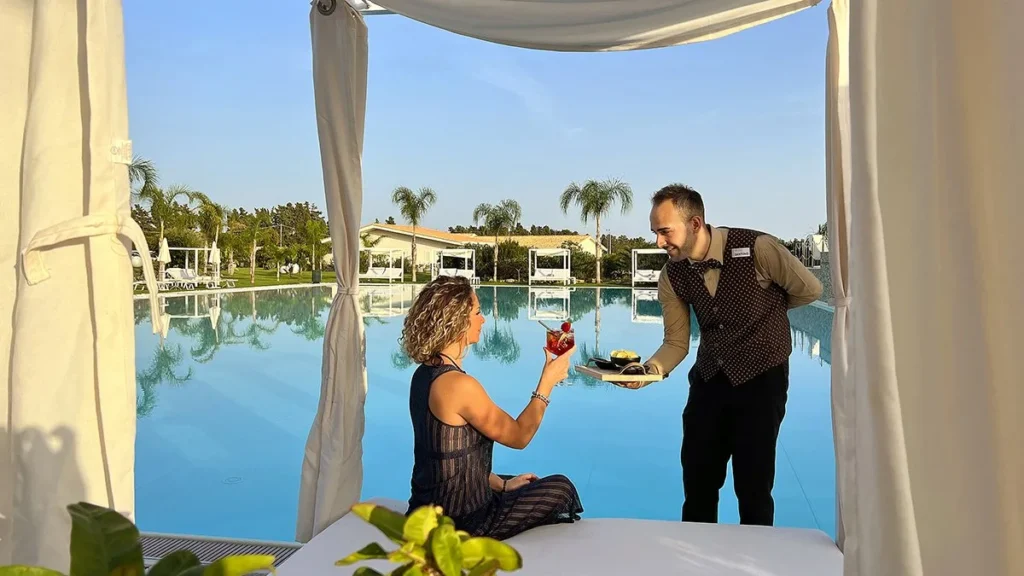
Discretion is the mark of genuine five-star service. The best personalisation is largely invisible: the spa slot moved without you chasing it, the poolside setup arranged before you reach it, the dietary note already in the kitchen.
How Boutique Hotels Tailor Guest Stays
How boutique hotels tailor guest stays comes down to three levers: information, flexibility and staff continuity. Information is gathered before arrival. Flexibility means the property can adjust without escalating to a manager. Continuity means the same people serve you across your stay, so nothing has to be re-explained.
| Element | What It Looks Like | Why It Matters |
|---|---|---|
| Pre-arrival profile | Preferences captured before you travel | Removes repetition at check-in |
| Flexible scheduling | Meals, treatments and transfers moved on request | Fits the stay to your rhythm |
| Staff continuity | Same team across your visit | Fewer explanations, faster service |
| Discreet adjustments | Changes made without being asked | Feels effortless, not transactional |
The fourth row is the one that separates a well-run boutique from a merely small hotel. Anyone can offer flexibility when asked. Anticipating the request is a different discipline entirely, and it depends on staff who have both the time and the authority to act.
The Hidden Costs of Generic Luxury: What Mass-Market Hotels Miss
Generic luxury delivers consistency, and consistency has a cost that rarely appears on the bill. The cost is your time, spent re-explaining yourself at every touchpoint.
Mass-market properties are built to serve a broad range of guests predictably. That means standard check-in scripts, standard dining hours and standard spa menus. It works well when your needs match the template. It works badly when they do not.
What most guides miss is that the frustration is rarely about quality. Large luxury hotels are often excellent at what they do. The problem is friction: the small, repeated effort of asking for the same adjustment three times. Personalisation removes that friction, and friction is what most guests actually remember.
How to Judge Whether Personalised Service Is Worth It for You
Personalised hotel service is worth it when your stay has specific requirements that a standard format cannot accommodate. It is less valuable when you want anonymity, spontaneity, or a property large enough to disappear into.
The honest answer depends on how you travel. Consider the following before you book.
- Do you have dietary, accessibility or scheduling needs that recur daily?
- Is the purpose of the trip recovery, celebration or focused time together?
- Would you rather be recognised than anonymous during your stay?
- Does your group include children, or multiple people with different needs?
- Would repeating your preferences at every touchpoint genuinely irritate you?
Three or more ticks points clearly towards a boutique property. Fewer than two suggests a larger hotel may suit you better, and there is no shame in that.
Questions to Ask Before You Book
A short conversation before booking reveals more than any website. Ask how many accommodations the property has, whether pre-arrival preferences are recorded, and who handles requests during your stay. Ask what happens when a request falls outside the standard offering.
Conclusion
The challenge with personalised service is that it cannot be verified from a brochure. It depends on staff numbers, guest-to-team ratios and a culture that treats preferences as operational data rather than pleasantries.
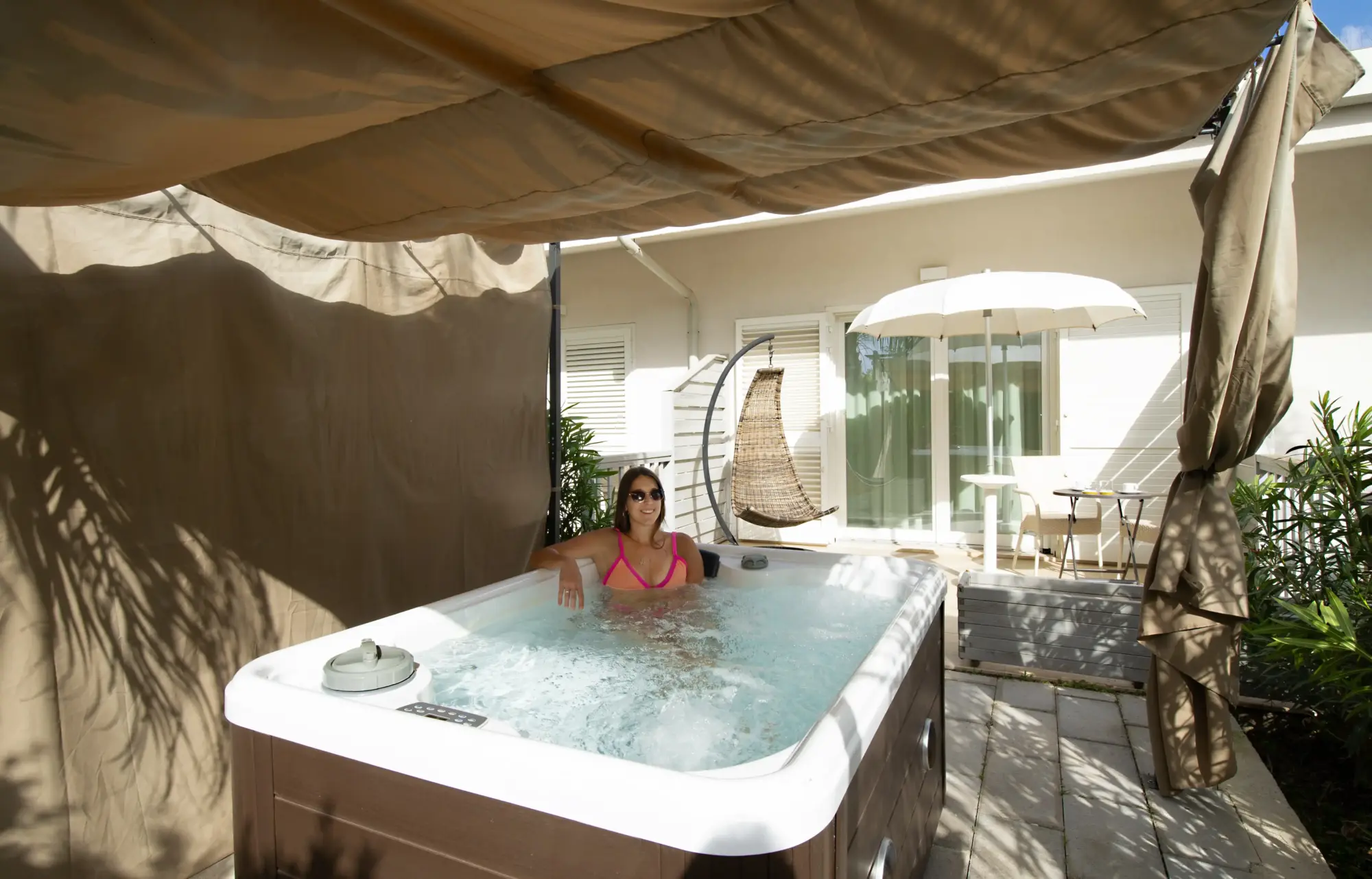
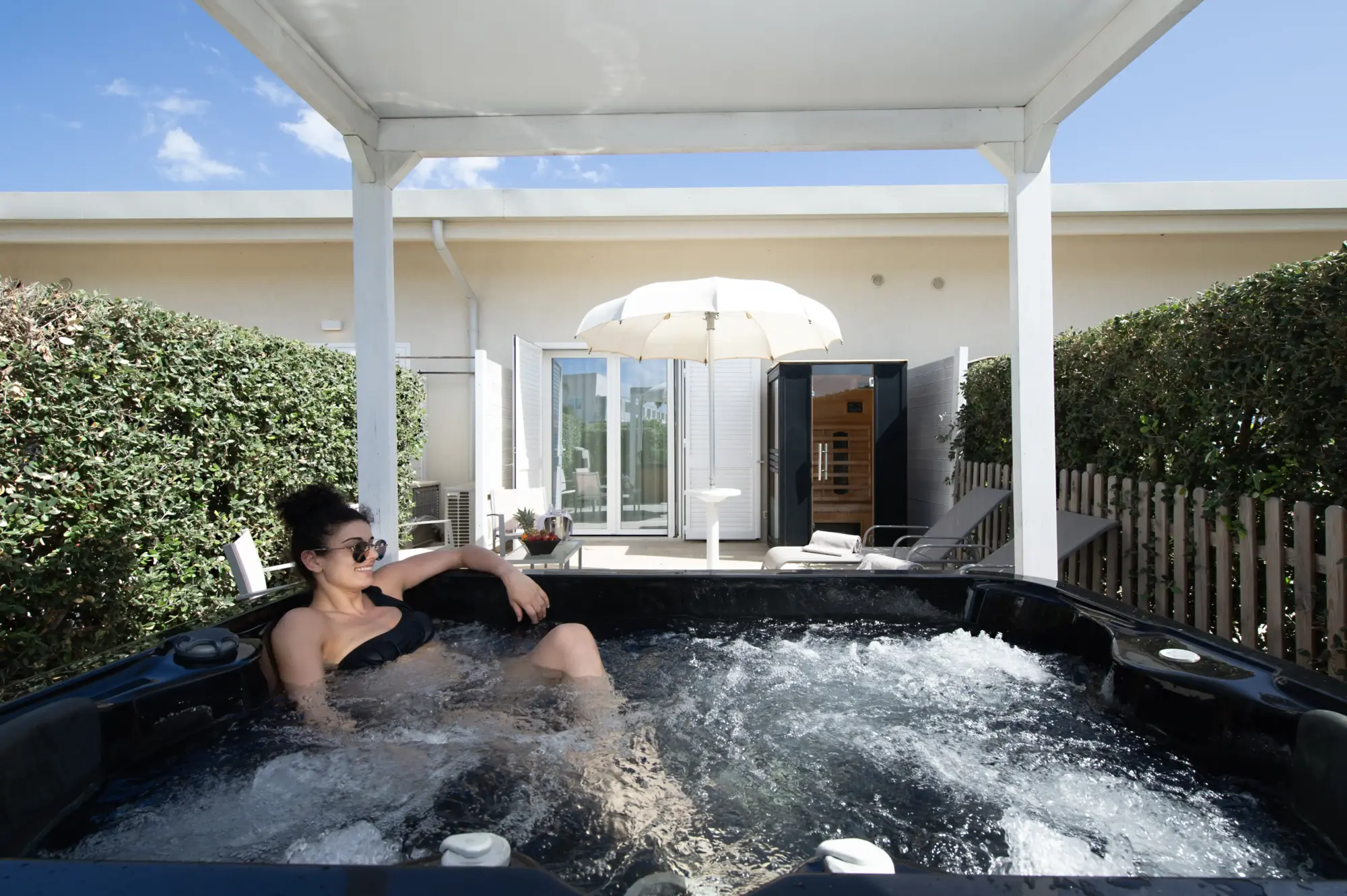
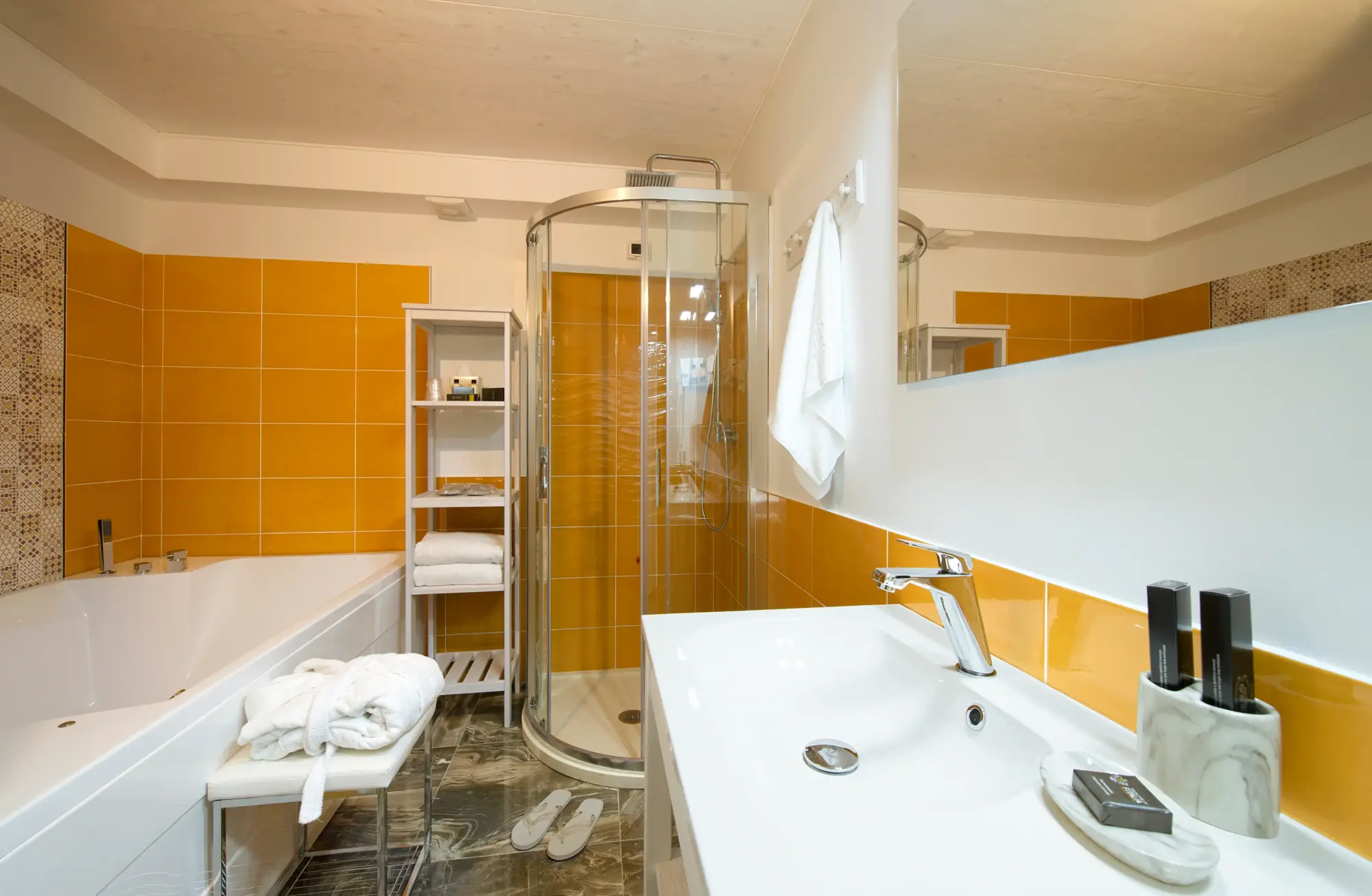
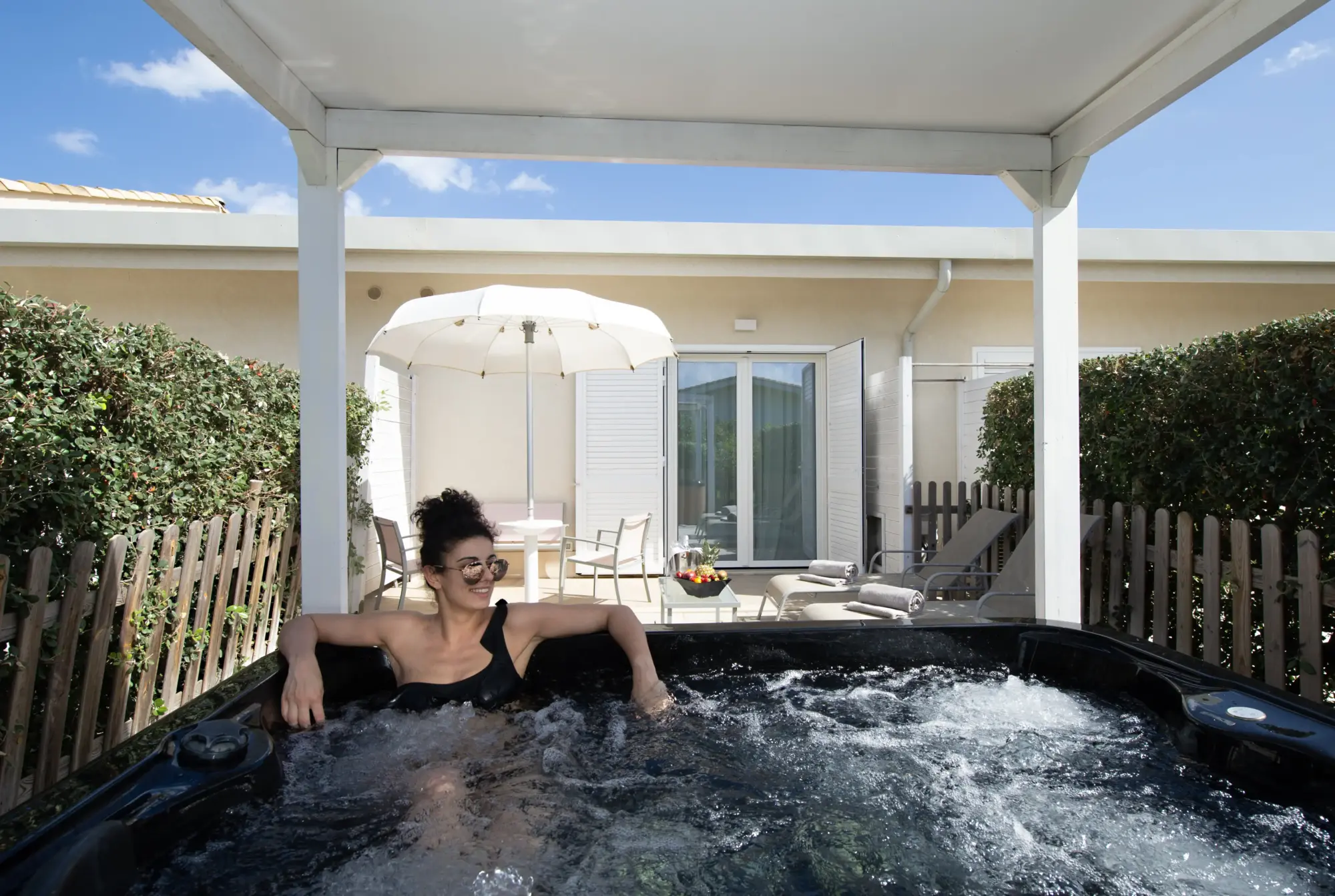
At Principe di Fitalia Wellness & Spa, that structure is deliberate: 37 accommodations, a 2,000-square-metre spa and wellness area with indoor and heated outdoor pools, Aufguss rituals, a Technogym fitness centre and an Ortigia shuttle that puts the historic centre minutes away. Wellness, Sicilian gastronomy and individual attention sit in the same property rather than competing for your time.
Get started with Principe di Fitalia Wellness & Spa and book a stay built around how you actually want to spend it.
Frequently Asked Questions
What defines high-quality personalised hotel service?
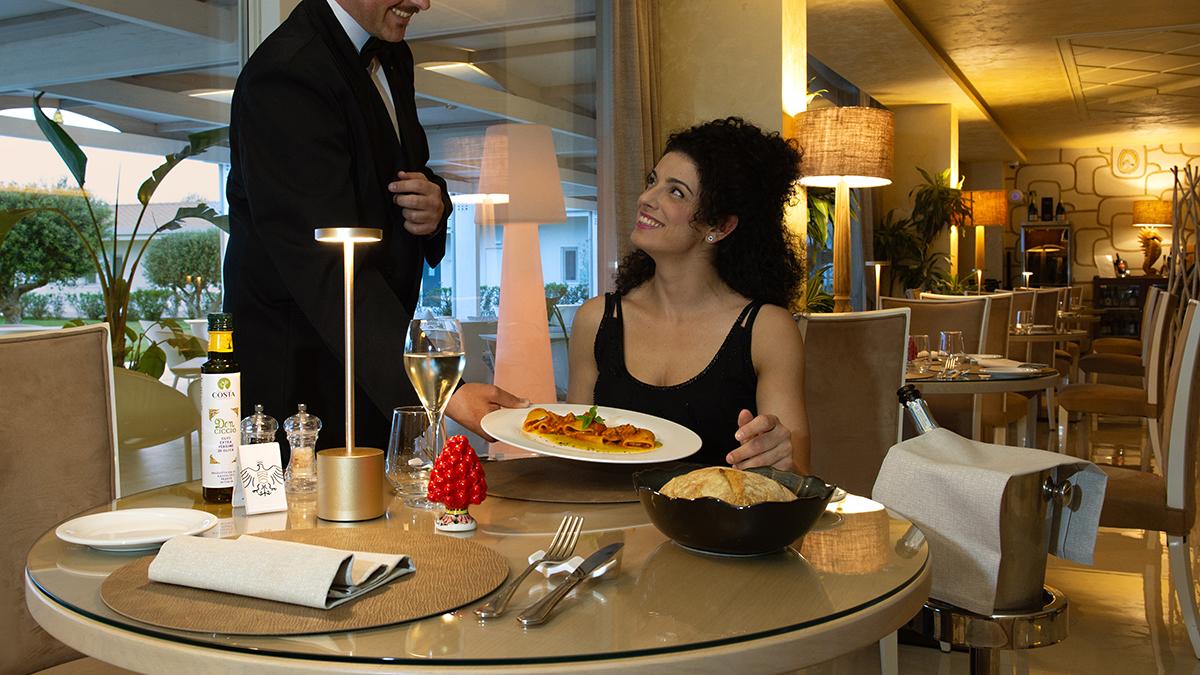
High-quality personalised hotel service means staff remember your preferences without being prompted, from pillow firmness to dietary needs, and adjust each day accordingly. It is anticipatory rather than reactive: a spa slot held before you ask, a shuttle timed to your dinner reservation. In a 37-room property, this level of attention is achievable because the team-to-guest ratio supports it. The clearest test is whether you ever have to repeat yourself.
Is personalised service standard in 5-star boutique hotels?
It is expected but not guaranteed. Star ratings assess facilities and service standards, not how well a property tailors each stay. A large 5-star resort can meet its rating while delivering largely uniform service. Boutique hotels with fewer rooms, such as a 37-key retreat, find personalisation far easier to sustain because staff see the same guests daily and can build genuine familiarity. Always ask specific questions about how tailoring works before booking.
What are the benefits of boutique hotel stays compared with larger resorts?
The main benefits of boutique hotel stays are fewer guests, quieter shared spaces, and staff who recognise you. With 37 accommodations rather than 300, pools and spa areas stay calm even in peak season, and requests are handled by someone who already knows your name and preferences. For couples seeking privacy or families needing flexible attention, that smaller scale often matters more than a longer list of facilities.
Does personalised service justify a premium price point?
It depends on what you value. Personalised service justifies a premium when it saves you time, removes friction, and delivers experiences you could not arrange yourself, such as private boat trips, tailored spa programmes, or restaurant bookings at short notice. If you mainly need a bed and a pool, the premium is harder to justify. Ask what specifically is included, and request a quote directly rather than relying on third-party listings.