Table of Contents
- Why Meditation and Culture Matter in Sicilian Travel
- Wellness Retreats in Syracuse: Where Tradition Meets Tranquillity
- Mindful Travel Experiences: Balancing Reflection with Exploration
- Sicilian Cultural Practices That Enhance Meditation
- Boutique Wellness Accommodation for Authentic Immersion
- Structuring Your Days: Rhythm, Ritual and Rest
- Making the Most of Your Meditation and Culture Retreat
- Frequently Asked Questions
Last Updated: September 19, 2026
Why Meditation and Culture Matter in Sicilian Travel
Integrating meditation and culture in Sicily creates a transformative wellness experience that goes far beyond typical spa holidays. When you combine contemplative practice with authentic cultural immersion, you’re not simply resting, you’re fundamentally rewiring how you relate to yourself and your surroundings.
At Principe di Fitalia Wellness & Spa, we’ve observed that travellers seeking genuine wellbeing increasingly reject the compartmentalised approach: spa in the morning, sightseeing in the afternoon, dinner alone at night. Instead, they’re drawn to destinations where meditation deepens cultural understanding, and where cultural exploration naturally feeds back into personal reflection.
Sicily offers something rare in modern wellness travel. The island’s layered history, Greek temples, Arab-Norman architecture, baroque churches, centuries of spiritual practice, isn’t merely scenery. It’s a living curriculum in impermanence, resilience, and beauty. Meditating in the shadow of a 2,500-year-old temple fundamentally changes what silence means to you. Walking through Ortigia’s narrow streets after a morning practice shifts how you perceive community and belonging.
This integration works because culture and meditation address the same human need: meaning-making. Both ask you to slow down, observe carefully, and sit with complexity rather than rushing toward easy answers.
Wellness Retreats in Syracuse: Where Tradition Meets Tranquillity
Syracuse sits at the intersection of Mediterranean wellness and Sicilian cultural depth. The city’s position, ancient Greek capital, UNESCO World Heritage site, gateway to the Plemmirio Marine Protected Area, makes it uniquely suited for integrating meditation and culture in Sicily.
Wellness retreats in Syracuse aren’t built on isolation. They thrive on proximity. You’re minutes from the Ortigia historic centre, where baroque palaces and medieval streets create natural spaces for mindful exploration. You’re close enough to the sea that salt air and coastal walks become part of your practice, yet far enough removed from resort crowds to maintain genuine tranquillity.
The distinction matters. Many wellness destinations position themselves as escapes from culture, think of resorts built away from local life, where you’re buffered from “the real world” by manicured grounds and international staff. Syracuse-based retreats work differently. They acknowledge that Sicilian culture IS the wellness offering. The architecture, the food traditions, the way locals move through public spaces, these are tools for deepening your practice, not distractions from it.
Principe di Fitalia Wellness & Spa operates from this philosophy. With just 37 accommodations nestled in Mediterranean greenery near the Plemmirio Marine Protected Area, the retreat creates intimate conditions for both meditation and cultural engagement. The scale matters: small enough that you’re not navigating crowds, large enough that you have access to proper spa facilities, a Technogym fitness centre, and curated experiences that connect you to South-Eastern Sicily’s authentic character.
Mindful Travel Experiences: Balancing Reflection with Exploration
Mindful travel experiences require deliberate design. The temptation in wellness retreats is to swing between extremes: either total retreat (meditation all day, no engagement with place) or constant activity (cultural tourism with brief meditation breaks). Neither integrates meditation and culture in Sicily effectively.
The balance comes from understanding that mindfulness isn’t confined to seated practice. A mindful walk through Ortigia’s streets, noticing light on stone, observing how locals use public space, feeling your body move through narrow passages, is meditation. Sitting quietly before dinner, reflecting on what you’ve learned from a morning’s exploration, is meditation. Tasting Sicilian wine whilst considering the generations of knowledge embedded in viticulture is meditation.
Effective mindful travel experiences follow a rhythm: periods of active cultural exploration (guided tours, food experiences, archaeological sites) alternate with quiet integration time (meditation, journalling, solo reflection). This rhythm prevents two problems. First, it stops cultural tourism from becoming a checklist that exhausts rather than nourishes. Second, it prevents meditation-only retreats from becoming sterile, your practice deepens when it’s anchored in real experience and genuine curiosity about place.
The pacing also matters for retention. You’re more likely to integrate what you’ve learned when you have space to process it. A morning spent exploring baroque architecture, followed by an afternoon meditation session, allows your mind to naturally work with what you’ve encountered. The meditation isn’t separate from the culture; it’s the integration phase.
Sicilian Cultural Practices That Enhance Meditation
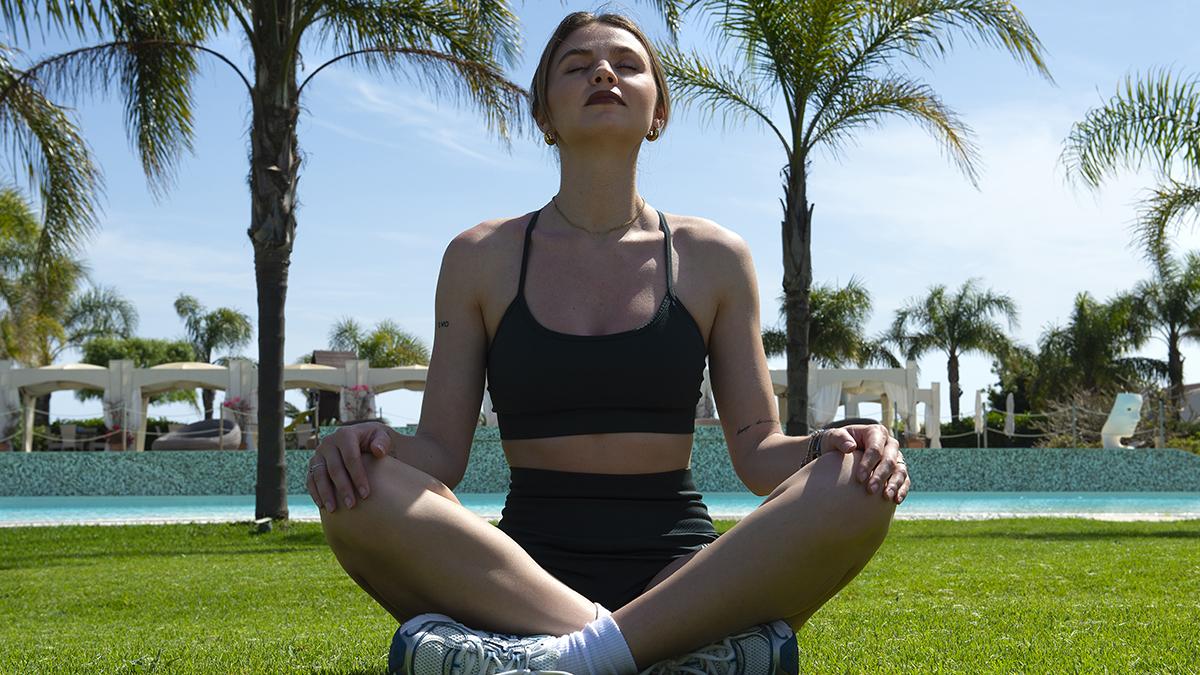
Person meditating in a peaceful Mediterranean garden setting with traditional Sicilian architecture, terracotta roofs, and ancient olive trees in soft morning light
Sicilian culture contains practices that naturally deepen meditation work. These aren’t imported wellness trends, they’re centuries-old ways of being that align with contemplative principles.
The concept of dolce vita (sweet life) isn’t hedonism; it’s a deliberate philosophy of savouring presence. When Sicilians linger over coffee, they’re practising mindfulness. When they gather in piazzas in the evening, they’re cultivating community awareness. These cultural patterns train attention in ways that complement formal meditation.
Sicilian food traditions offer another entry point. The island’s cuisine emerged from centuries of cultural exchange, Arab, Norman, Spanish, Italian influences layered into dishes that reflect impermanence and adaptation. Eating mindfully in Sicily naturally becomes a meditation on history, resourcefulness, and the way cultures blend. When you taste pasta alla Norma or arancini, you’re consuming edible history.
Spiritual sites throughout Syracuse, baroque churches, Greek temples, Arab-Norman chapels, carry centuries of contemplative intention. Meditating in these spaces, you’re not creating a practice from scratch. You’re joining a lineage. The architecture itself teaches: these buildings were designed to shift consciousness, to orient the mind toward something larger than daily concerns.
The Sicilian concept of campanilismo (local pride) also enriches meditation practice. Rather than the Western ideal of detachment, Sicilian culture teaches deep attachment to place and community. Integrating meditation and culture in Sicily means learning to meditate into connection rather than away from it, a subtle but significant difference that produces different results.
Boutique Wellness Accommodation for Authentic Immersion
Boutique wellness accommodation fundamentally changes what’s possible in integrating meditation and culture in Sicily. Large resorts, by their nature, create distance from place. You’re in a self-contained bubble with international guests, standardised service, and minimal contact with local rhythms.
Smaller properties, those with 30-50 rooms rather than 300, operate differently. Staff learn your name and preferences. You encounter the same local guides repeatedly, building genuine relationships. The property itself becomes a character in your experience rather than a backdrop. This intimacy fosters a deeper connection to the rhythm of the island, encouraging a guide to slow living that prioritises presence over the frantic pace of modern travel.
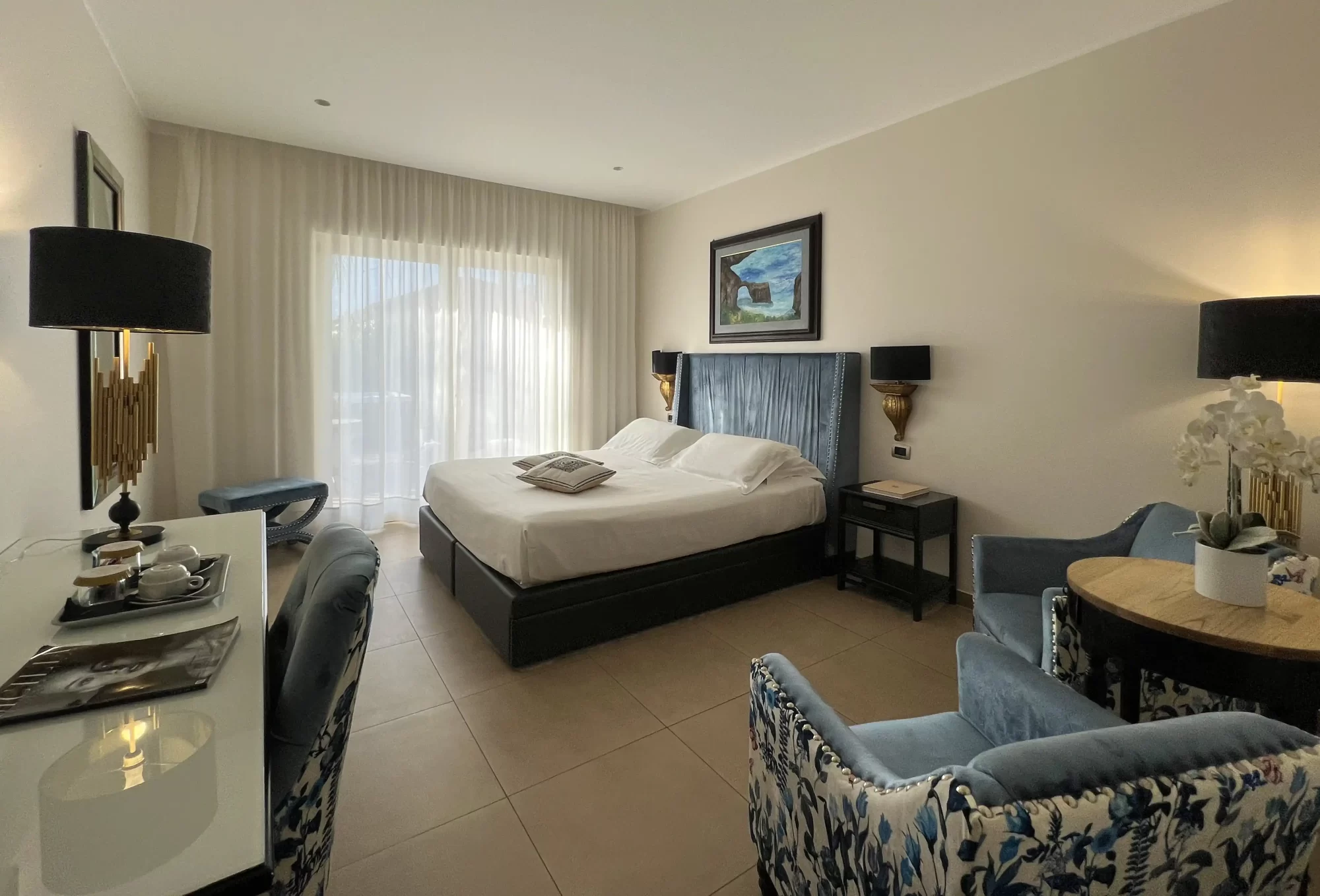
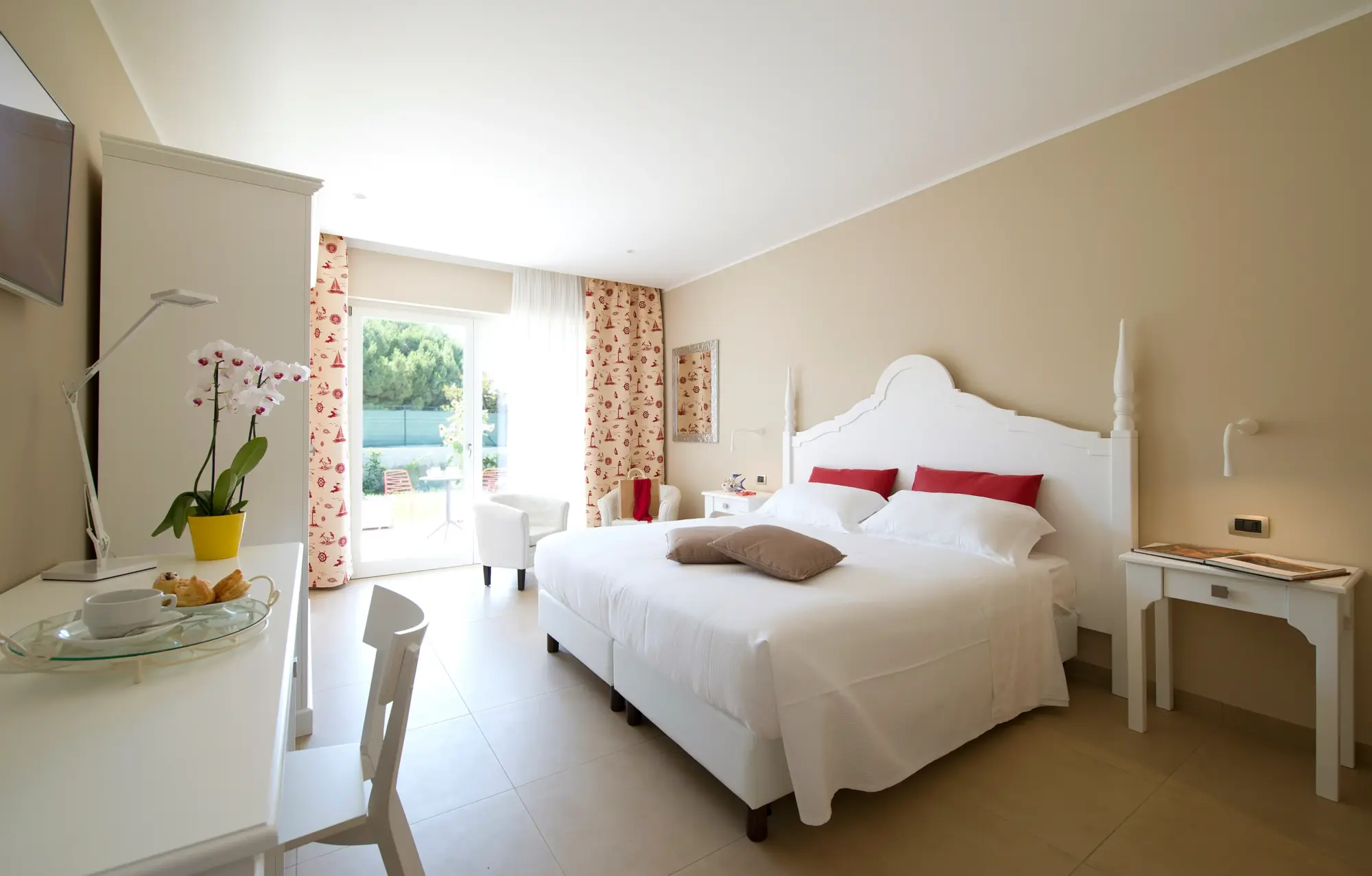
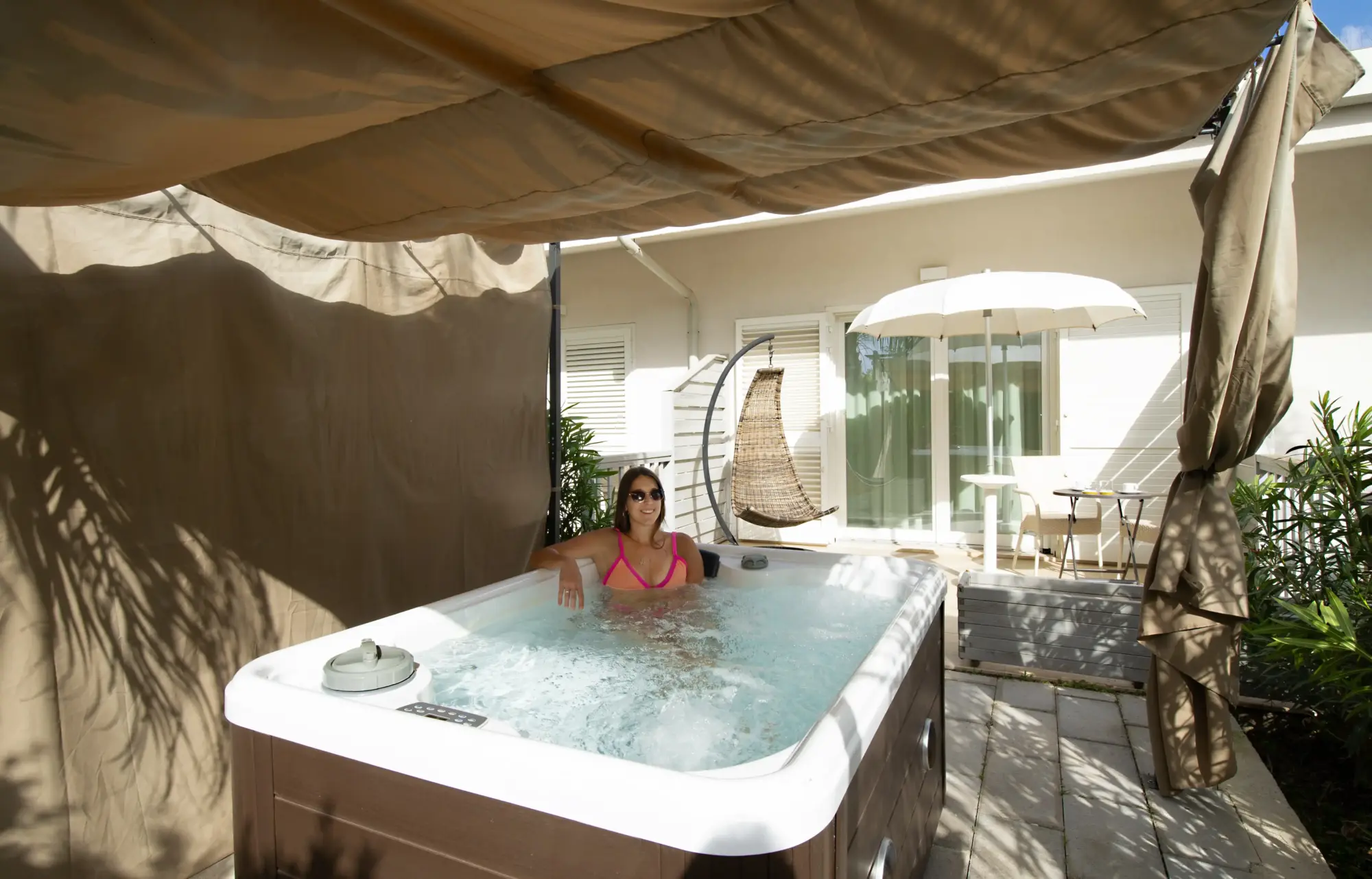
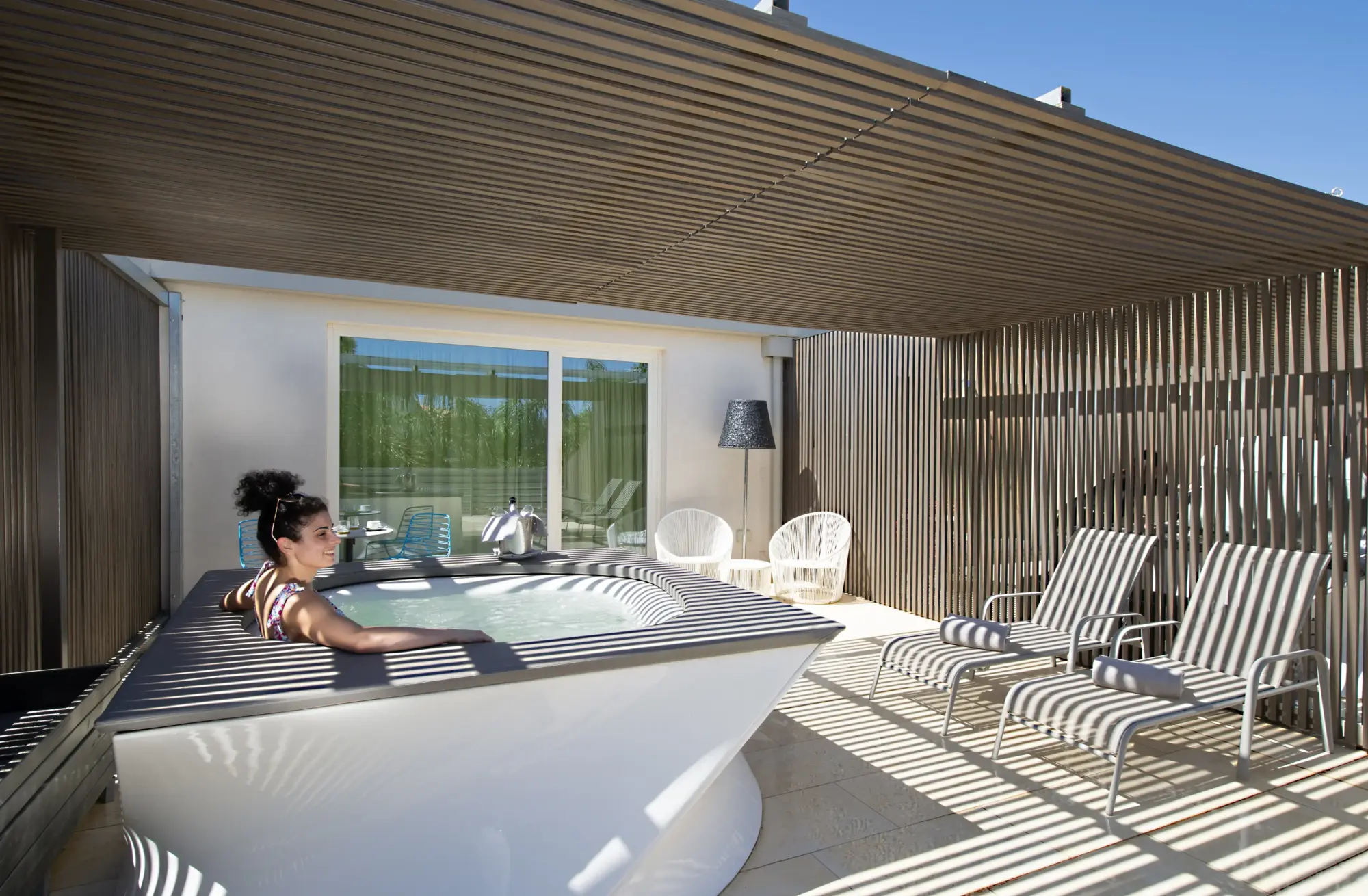
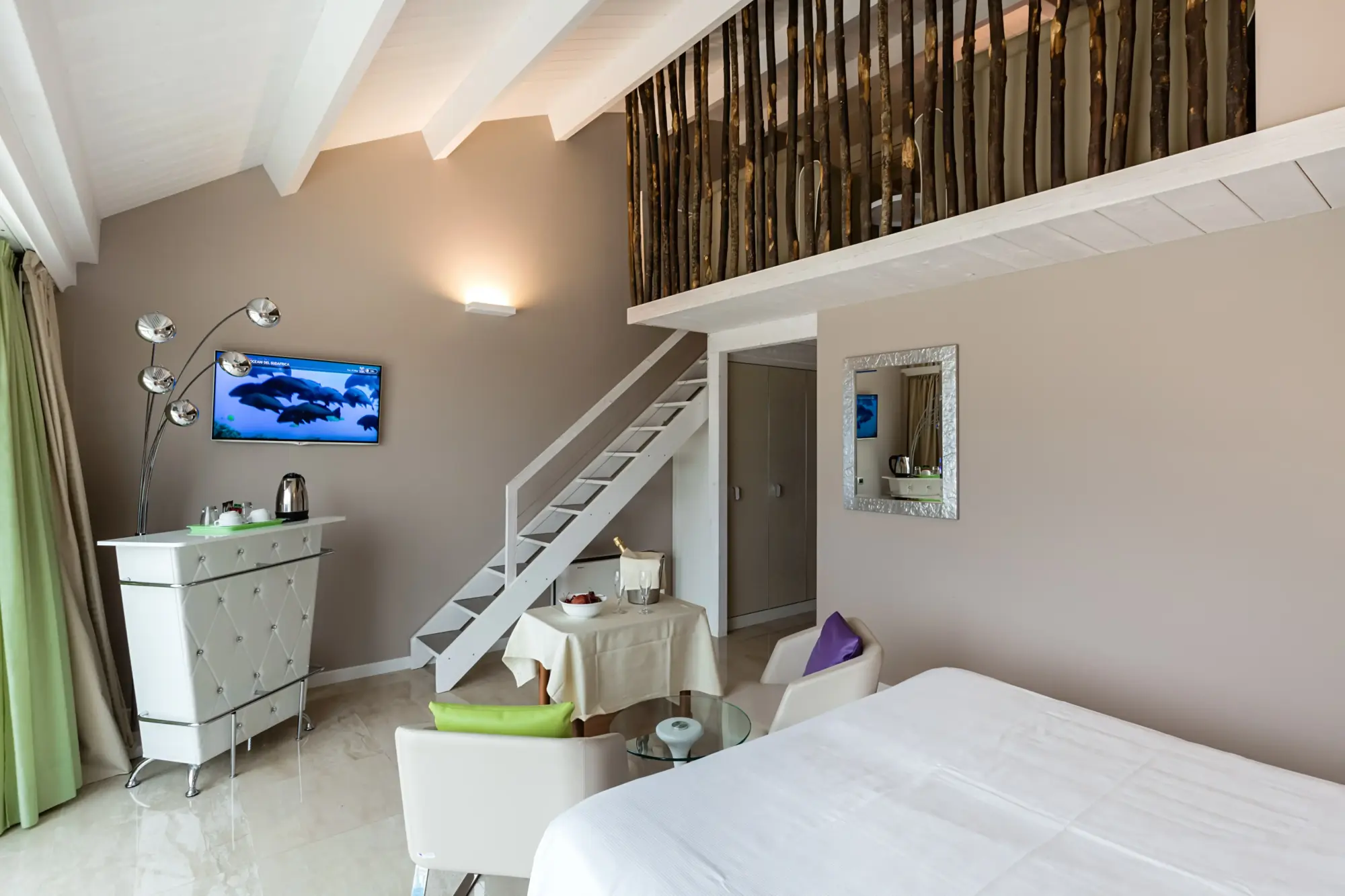
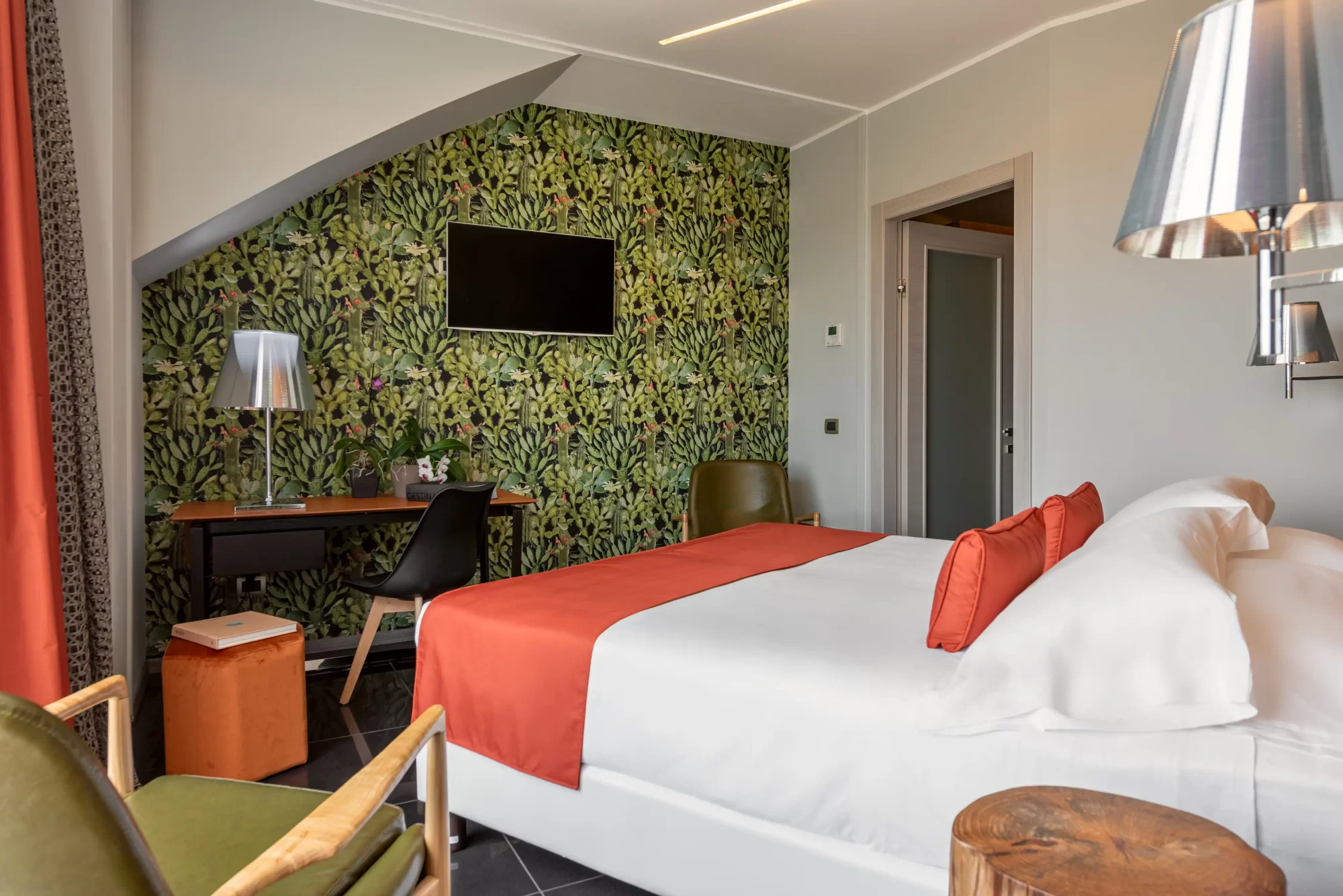
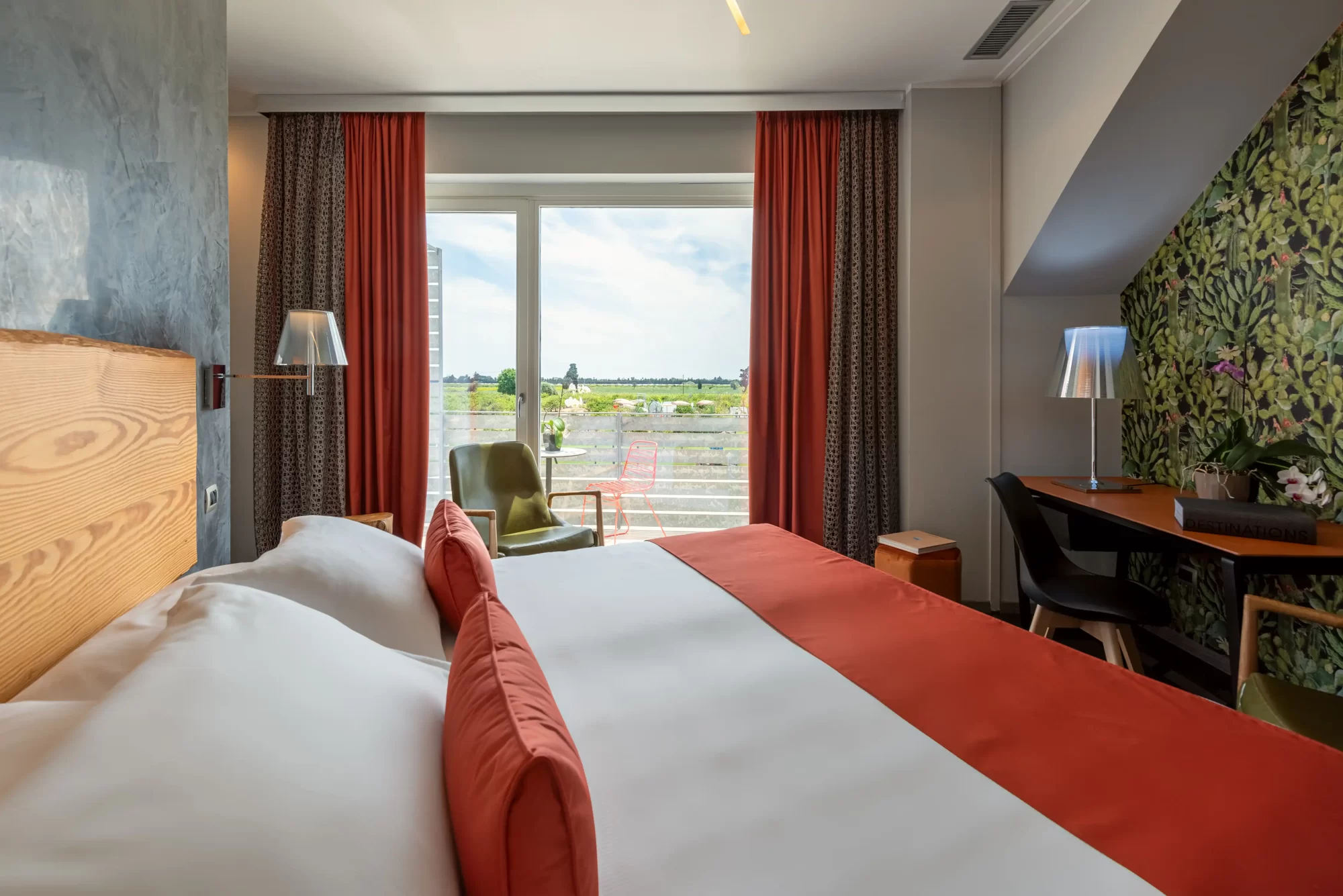
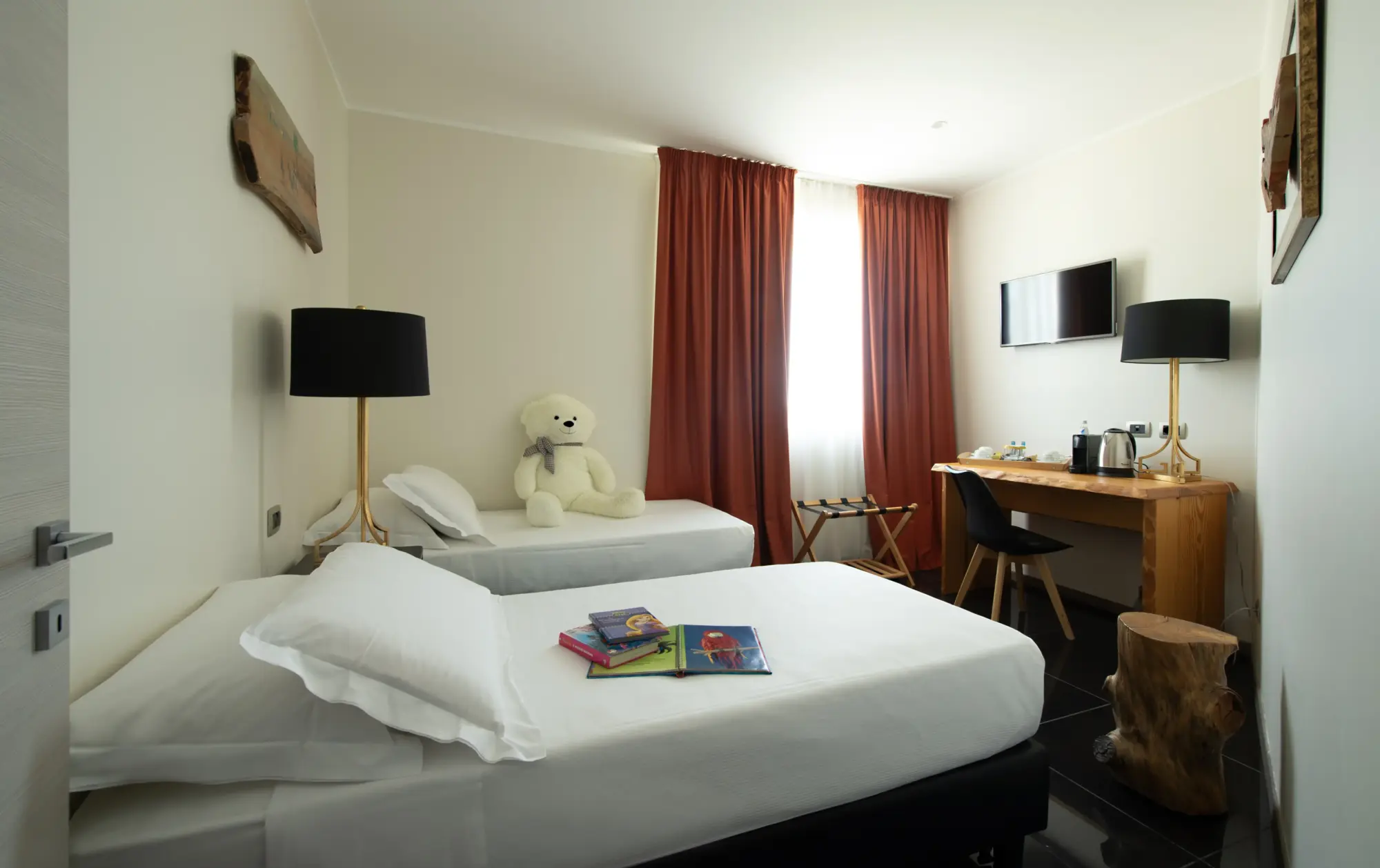
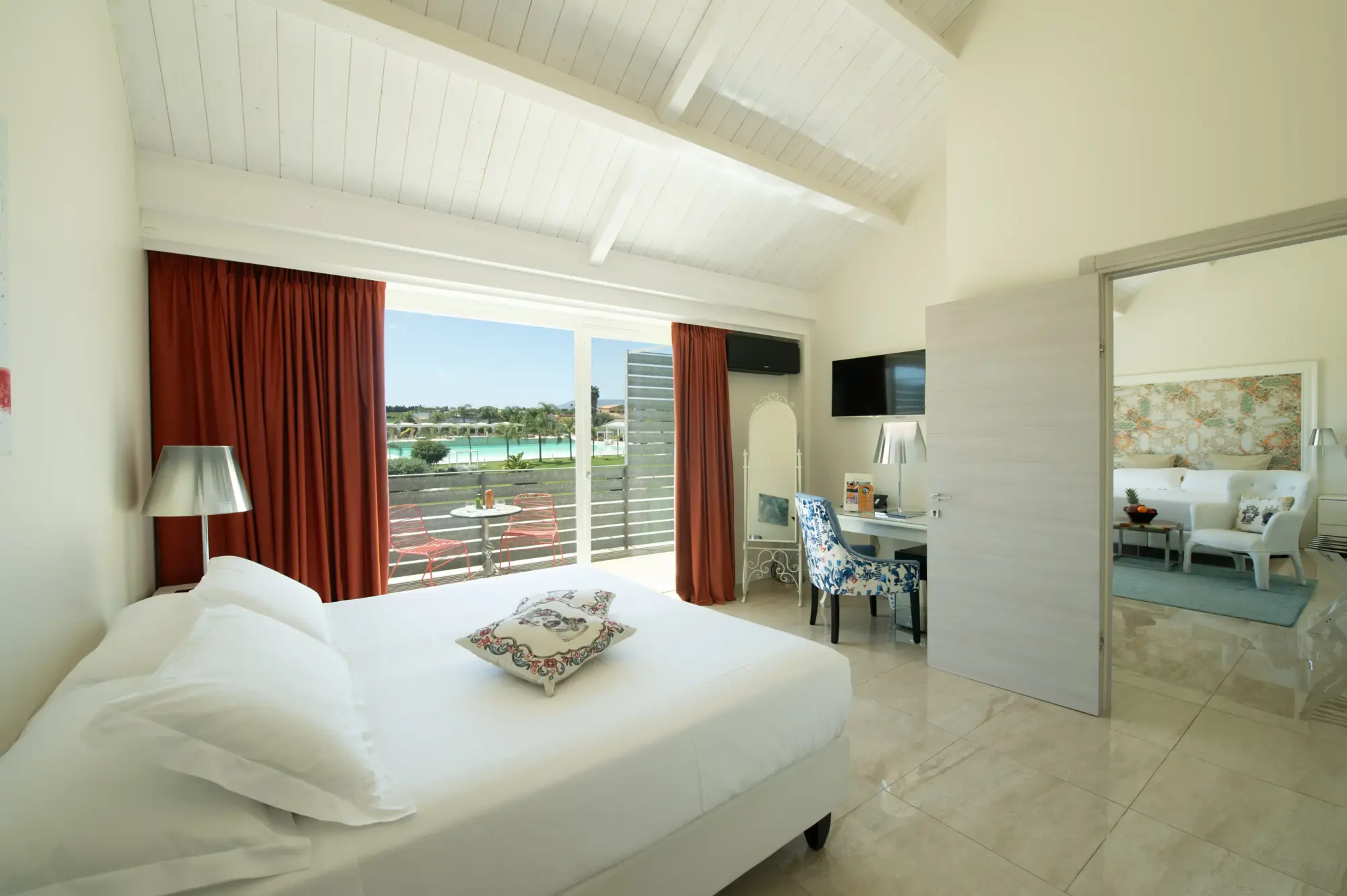
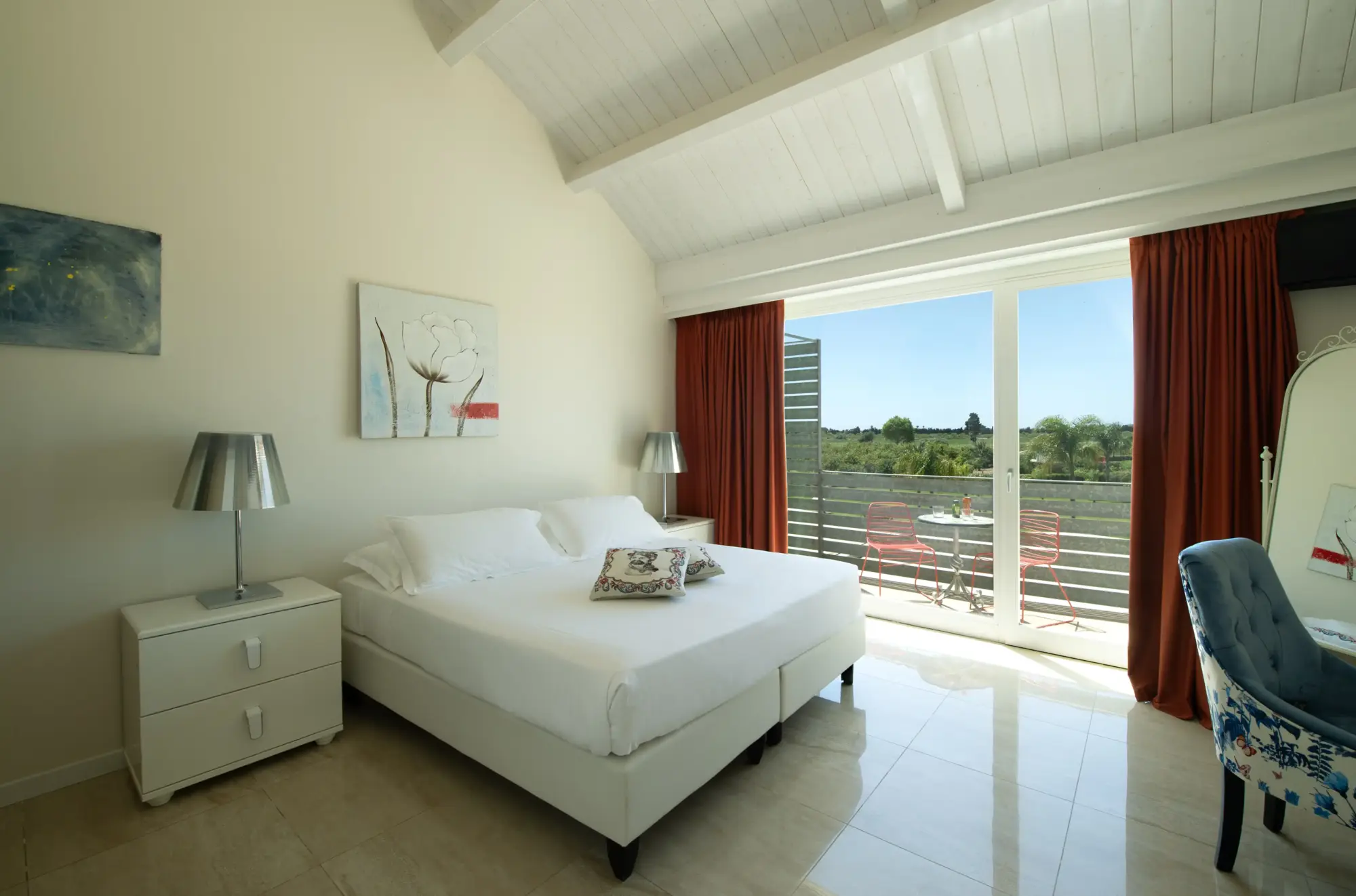
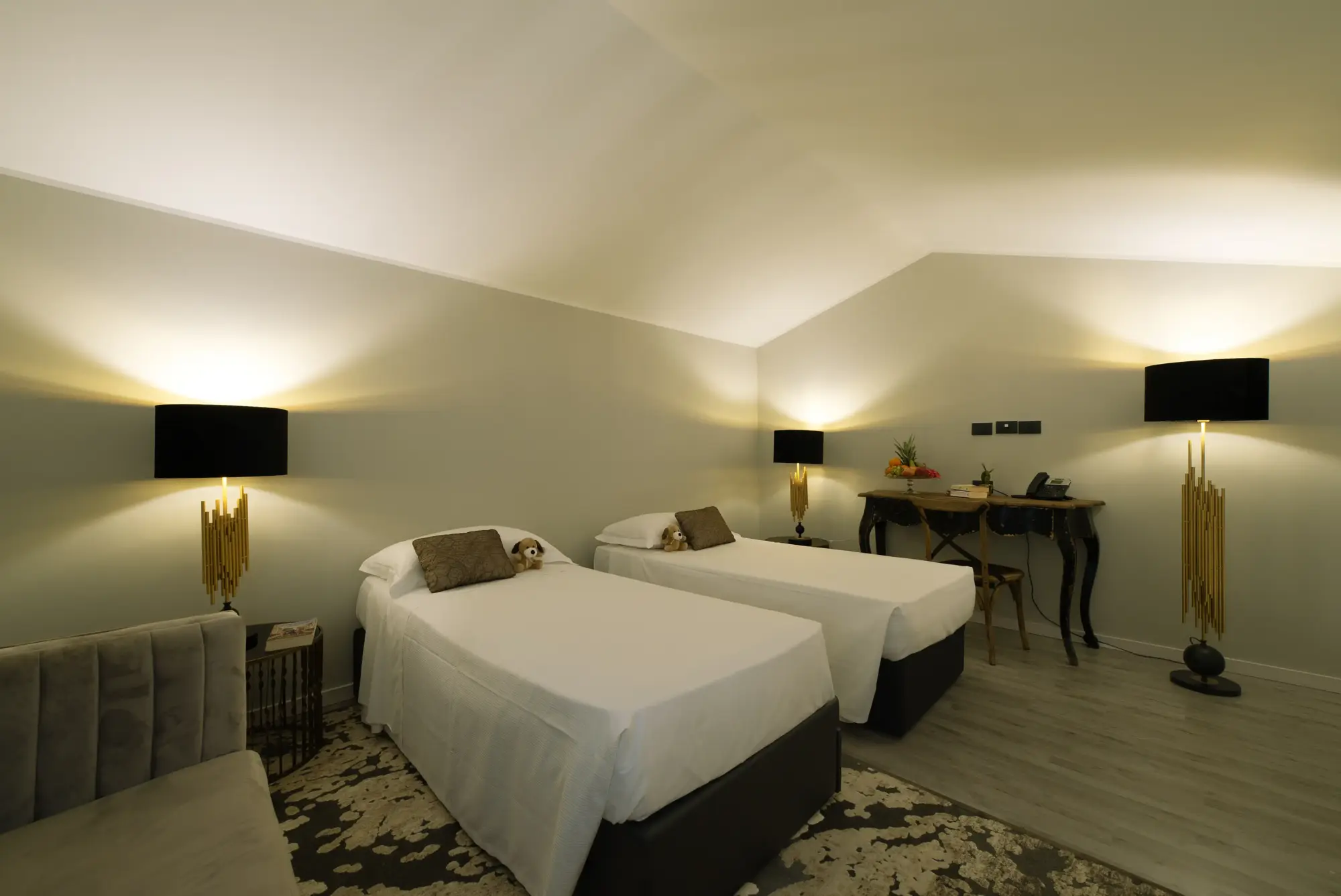
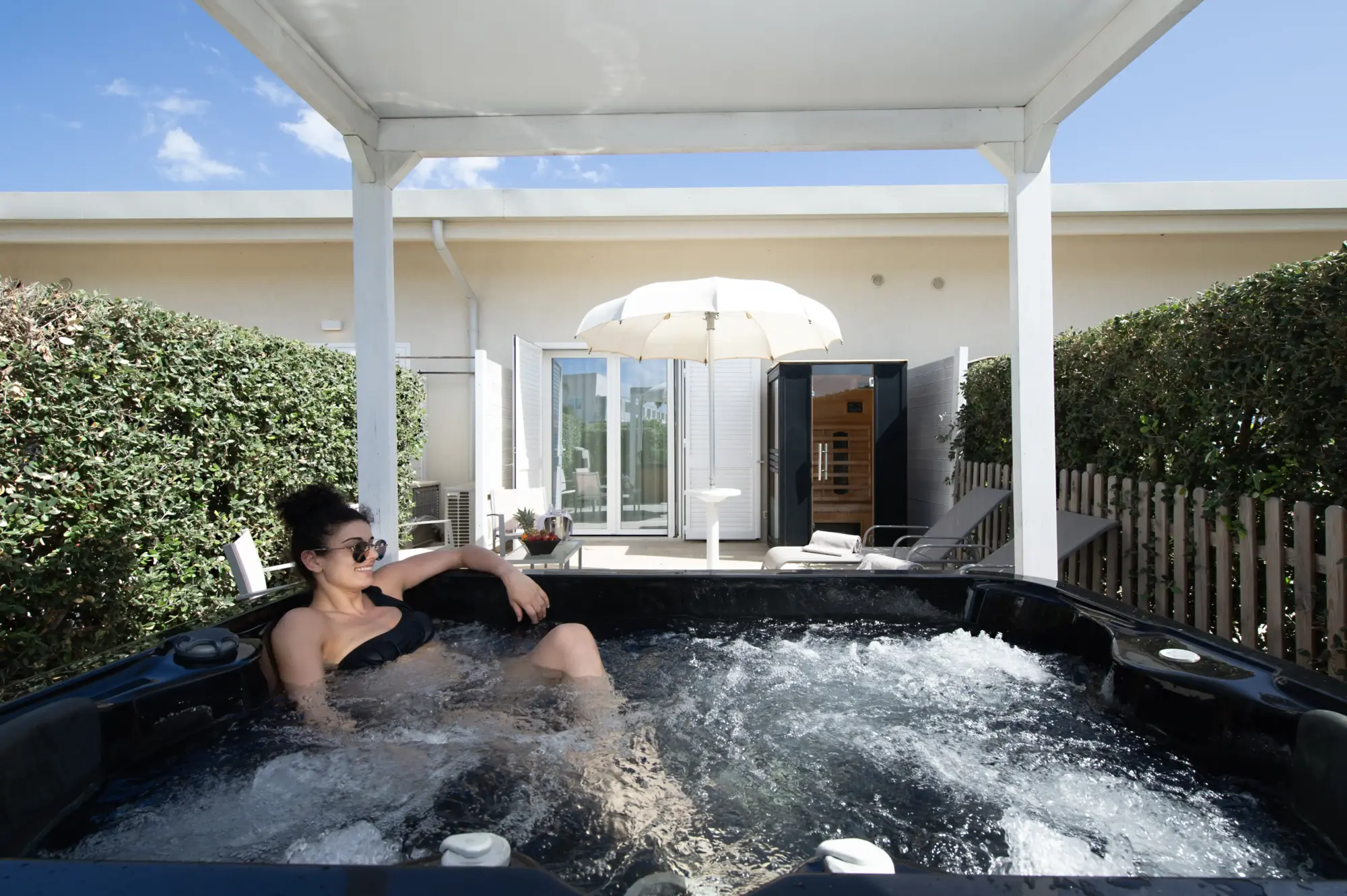
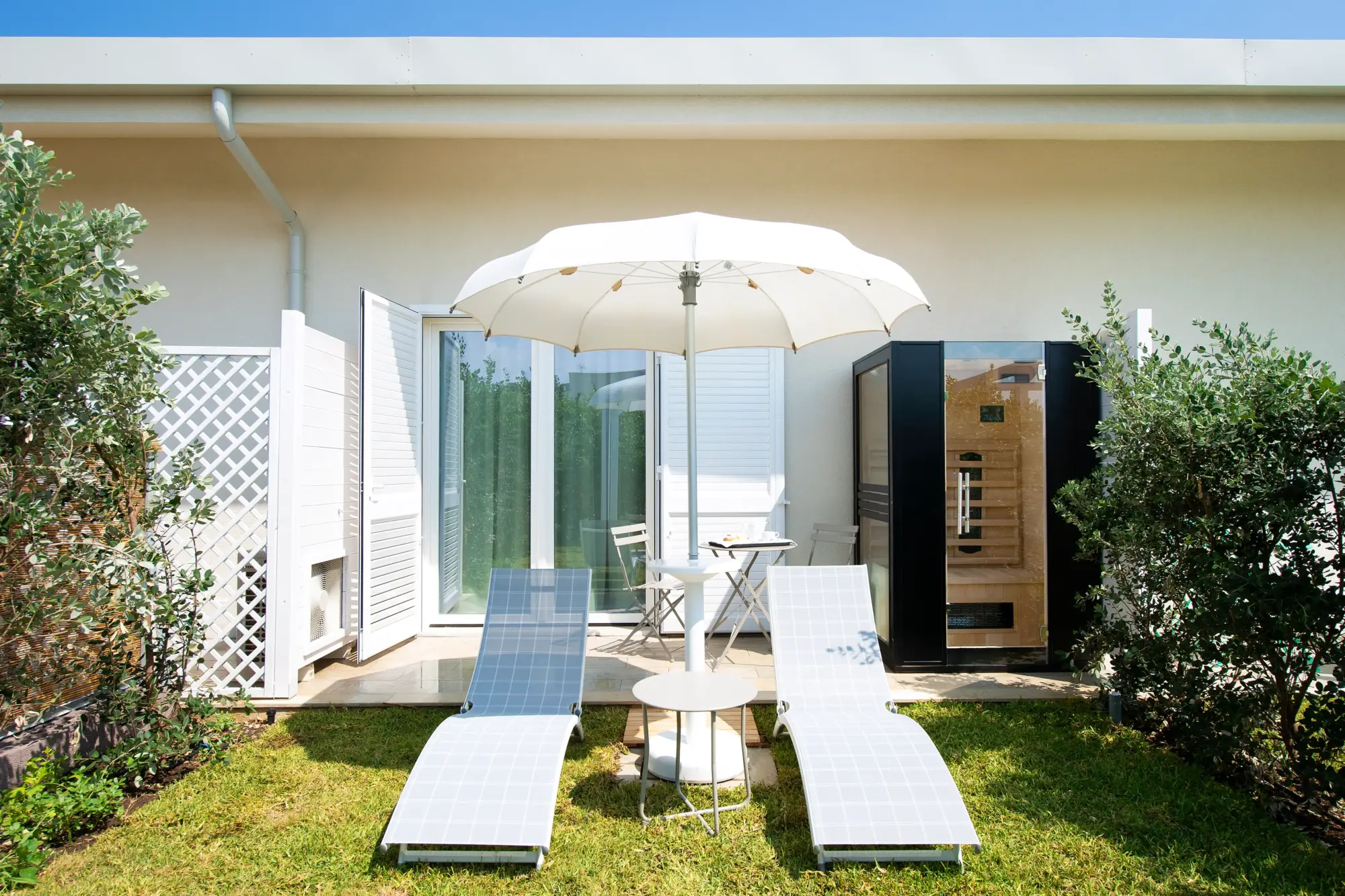
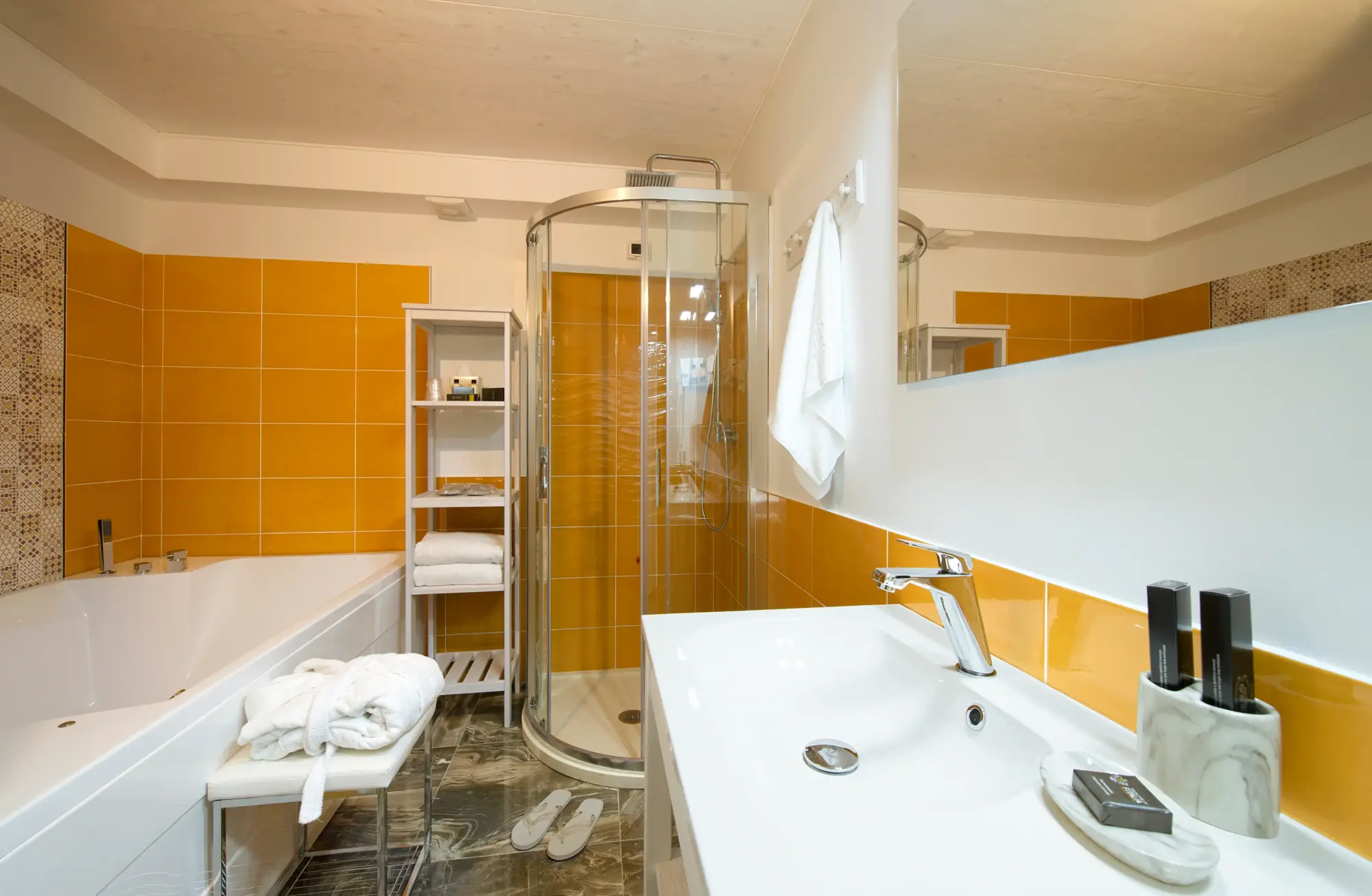
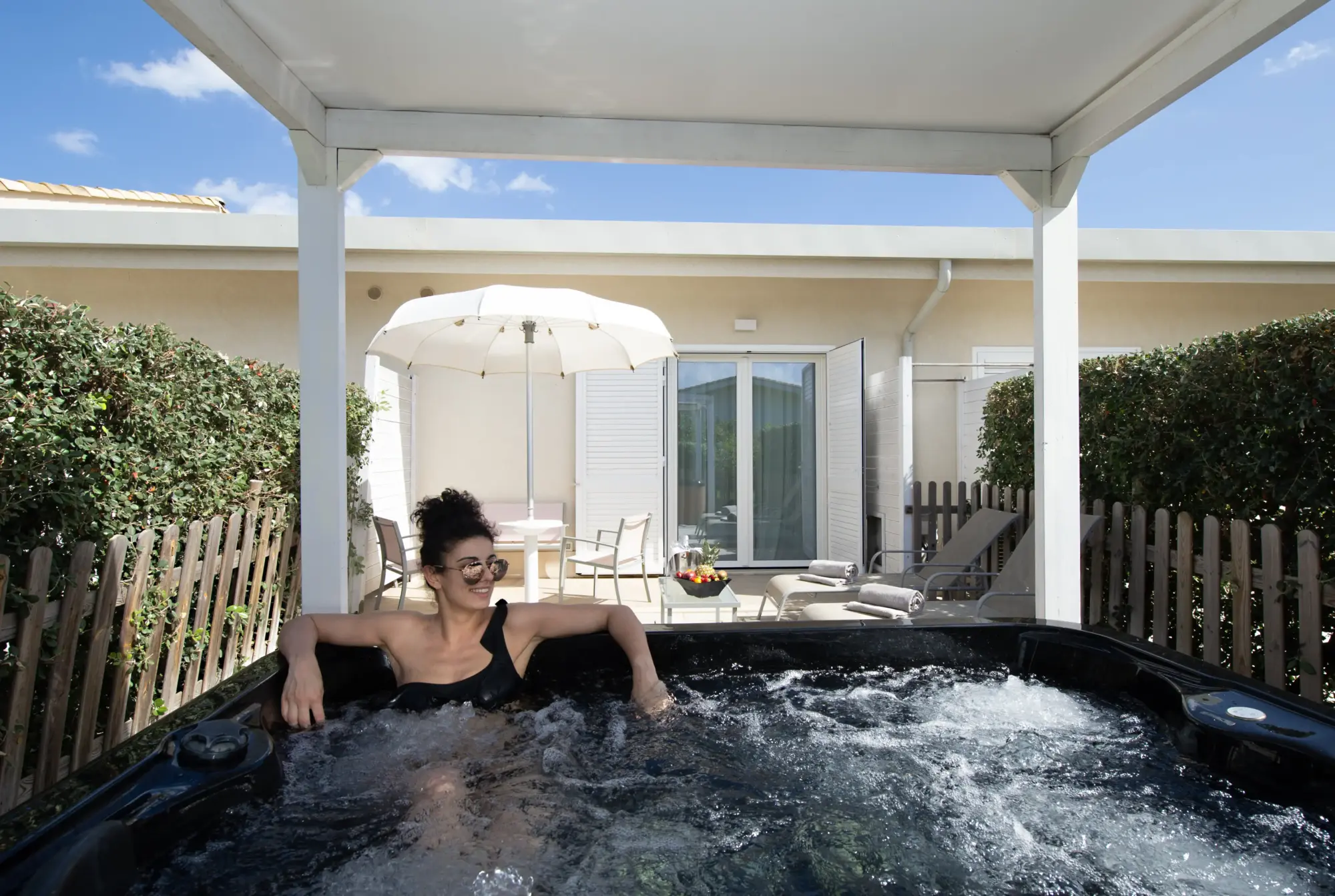
Principe di Fitalia Wellness & Spa’s scale (37 accommodations across 28 suites, 8 rooms, and one private villa) creates conditions for depth. With fewer guests, the spa and wellness areas feel intimate rather than crowded. The Aufguss rituals and heated pools aren’t rushed experiences squeezed between other activities. Personalised service means your meditation practice can be adjusted based on your actual needs, not a generic retreat schedule.
Boutique properties also tend to be embedded in their locations rather than separated from them. Principe di Fitalia’s position near Ortigia and the Plemmirio Marine Protected Area means cultural exploration isn’t a day trip, it’s woven into daily life. You can walk to the historic centre. You can arrange private boat trips to coastal sites.
Structuring Your Days: Rhythm, Ritual and Rest
The architecture of your daily schedule determines whether integrating meditation and culture in Sicily becomes transformative or merely pleasant. The most effective retreat days follow a pattern that alternates between inward focus and outward exploration, between activity and rest.
Making the Most of Your Meditation and Culture Retreat
Integrating meditation and culture in Sicily reaches its potential when you approach it with clear intention. The retreat itself provides the conditions, the location, the facilities, the curated experiences, but your engagement determines the outcome.
Frequently Asked Questions
What are the benefits of combining meditation with cultural exploration?
Blending meditation with cultural discovery deepens both experiences. Meditation cultivates the mental clarity needed to absorb local traditions meaningfully, whilst cultural immersion provides context and purpose for your practice. This integration helps you move beyond surface-level tourism, allowing you to connect with a place’s history, values and community rhythms. Many travellers find that meditating in historically significant settings—ancient temples, coastal monasteries, or heritage villages—creates a more profound sense of presence and understanding than either activity alone.
How do I balance sightseeing with a meditation practice whilst travelling?
Structure your days with intention: reserve early mornings or late afternoons for meditation before or after exploration. Start with shorter practice sessions (15–20 minutes) rather than forcing lengthy routines that feel rigid in an unfamiliar environment. Choose accommodation that supports this rhythm—boutique wellness retreats often provide quiet spaces, guided sessions, and flexible scheduling. Treat cultural exploration as an extension of mindfulness rather than a distraction from it. Walking meditation through historic districts, mindful meals featuring local cuisine, and unhurried observation of daily life all count as meaningful practice.
Are there boutique wellness retreats that focus on local history and meditation together?
Boutique wellness accommodation designed around authentic cultural immersion is increasingly available in Mediterranean destinations. These properties typically offer intimate settings with fewer guests, allowing for personalised itineraries that weave meditation practice with guided cultural experiences, local artisan workshops, and heritage site visits. Rather than isolating wellness from surroundings, they position the landscape, architecture and community as integral to your wellbeing journey. Look for retreats emphasising sustainability, local partnerships, and small-group experiences rather than large resort-style facilities.
What is the best time of year for a wellness-focused trip combining meditation and culture?
Spring (April–May) and autumn (September–October) offer ideal conditions: moderate temperatures, fewer crowds, and clearer skies for outdoor meditation and sightseeing. Summer brings warmth but also peak tourism and heat that can make midday practice uncomfortable. Winter is quieter and atmospheric but cooler, better suited to those comfortable with cooler weather. Consider your personal preferences—some find solitude and introspection easier in shoulder seasons, whilst others prefer summer’s longer daylight hours. Book accommodation that provides flexible scheduling so you can adapt practice times to seasonal rhythms.